
Given that we have been home for well over a month, it is time to wrap up “The Road Home” series. But before I do that, a reminder about what I am trying to achieve with this three-part series. Demonstrating how the paths to and from your winter getaway locale can be separate little travel adventures, or mini-getaways, all on their own.
The Mini-Getaway Concept
At the risk of repeating myself, our mini-getaways are all about breaking up the trip to and from home. There is only one direct flight from Canada to the Costa del Sol and it is from Montreal. So, most Canadiens will have to route through another city before they arrive in Malaga. Why not incorporate a few days of R&R on the way there, and on the way home?
In Part One of the series, I went through how we pick a European city we would like to explore and plan our flight so that we spend a few days there on the way to our destination and again on the way home. This typically results in shorter flights, less time spent hanging around in airports, and hopefully a bunch of wonderful new travel experiences.
Mostly, this series is about showing what sorts of things we do during one of these mini-getaways. Part three is all about our final day in Madrid.
Breakfast and Lunch
Breakfast and lunch? Seriously, you’re going to write about what you had for breakfast and lunch? Do you think all of your readers are going to find that interesting?
In a word, “yessss…perhaps”.
In keeping with our desire to immerse ourselves in local culture, we are not interested in eating in places that turn out the same food dishes that we eat at home. Fortunately, as you have read, the hotel we stay at in Madrid has a lovely little traditional bar and restaurant. And as such, their breakfast offerings are very traditional as well.
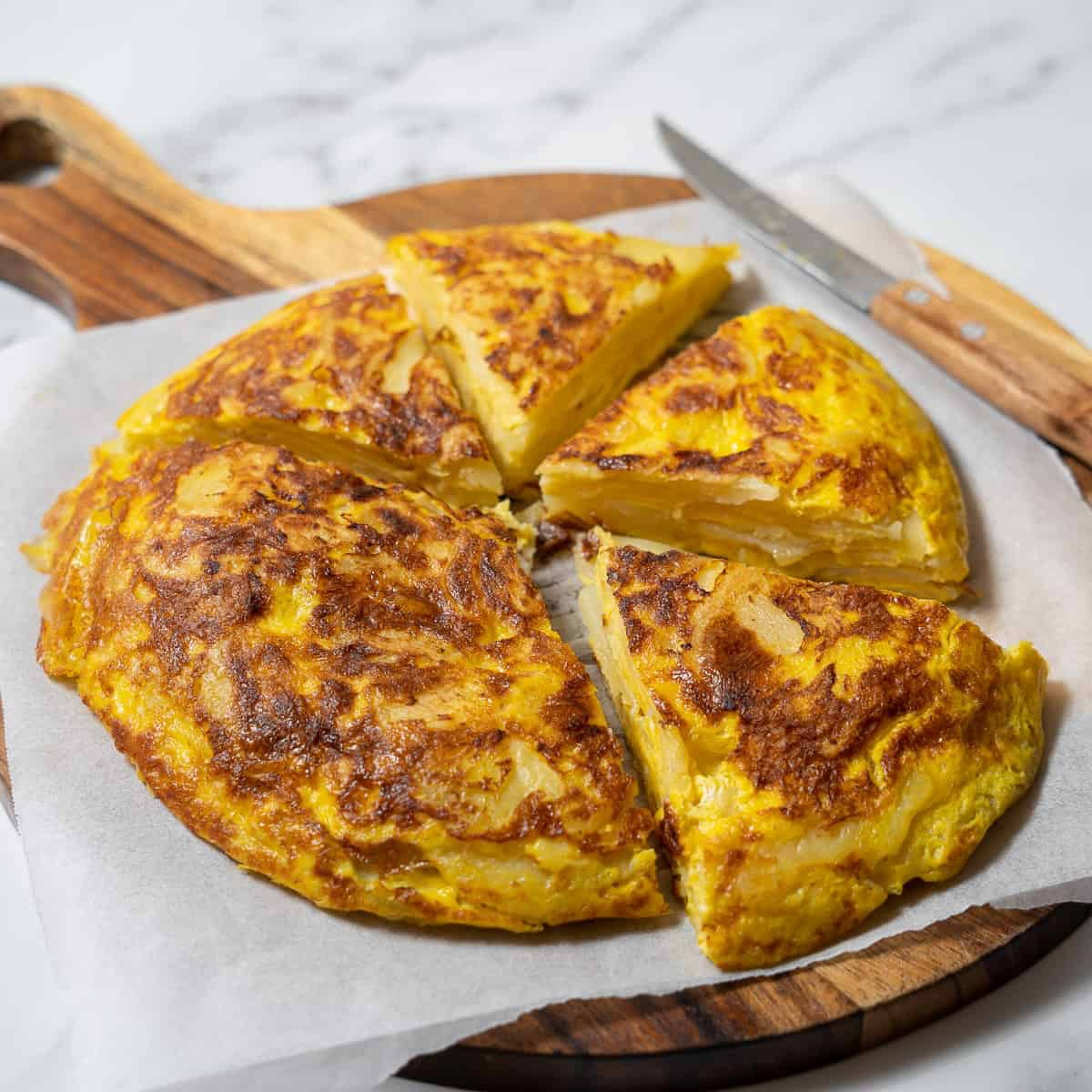
The Love-goddess ordered a Spanish tortilla, which is nothing like a Mexican tortilla. It is an egg and potato omelet-like dish, prepared and cooked in a pie shell. It is served up in wedges like slices of pie. I have included a photo of one here to give you a sense of what they look like
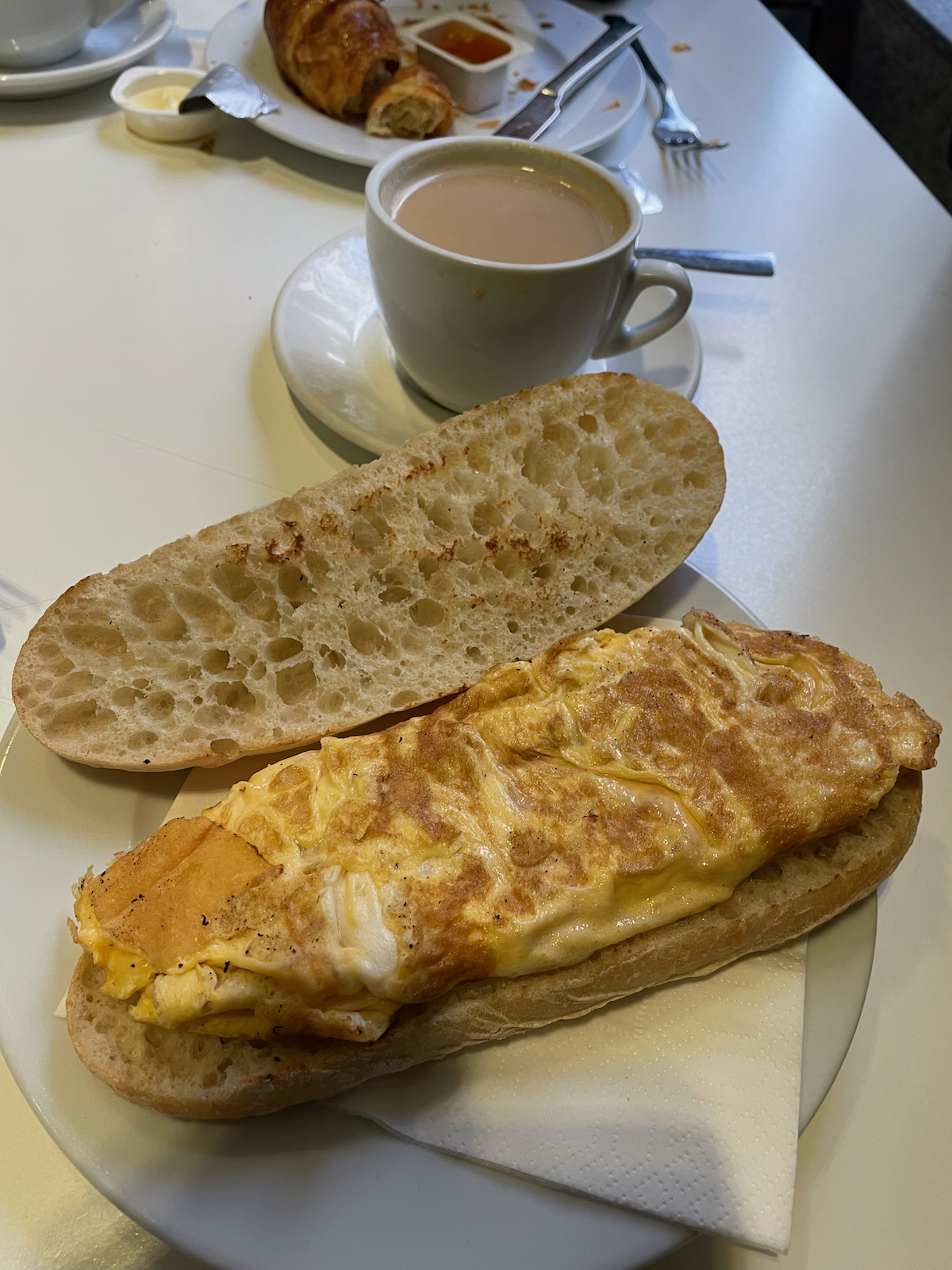
I ordered an omelet… pretty straightforward stuff. Both came served on a bun. Not sure why this is done. Perhaps to make sure before you leave for work your tummy is full. 🙂 Both were bland-looking but very tasty.


Lunch was a little more exciting than breakfast. The Love-goddess’ friend Johanne REALLY wanted to try a Calamari Bocadillo, so off we went to our go-to place…La Campana. I have written about these little beauties before. They are stuffed with perfectly cooked Calamari and served in a soft Bocadillo bun. Normally Bocadillo sandwiches are served in crusty buns.
We arrived at a good time. Although there was a lineup for the seated dining area as per usual, there was no lineup at the takeaway (Para Llevar) door. We enjoyed these Bocadillos in perfect street food fashion, sitting on monuments and benches. Most of the photos I am using here were from our latest visit, but a couple are from a previous visit to La Campana.
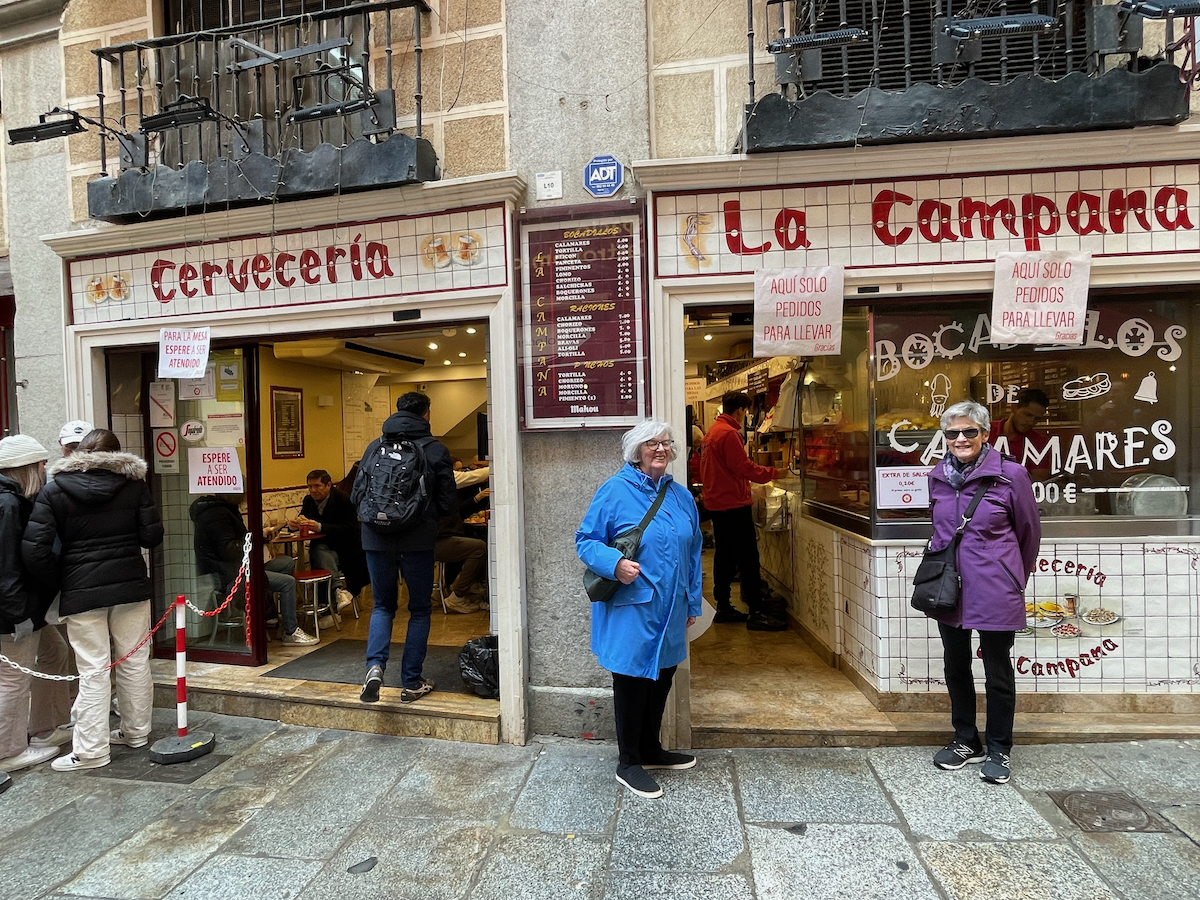
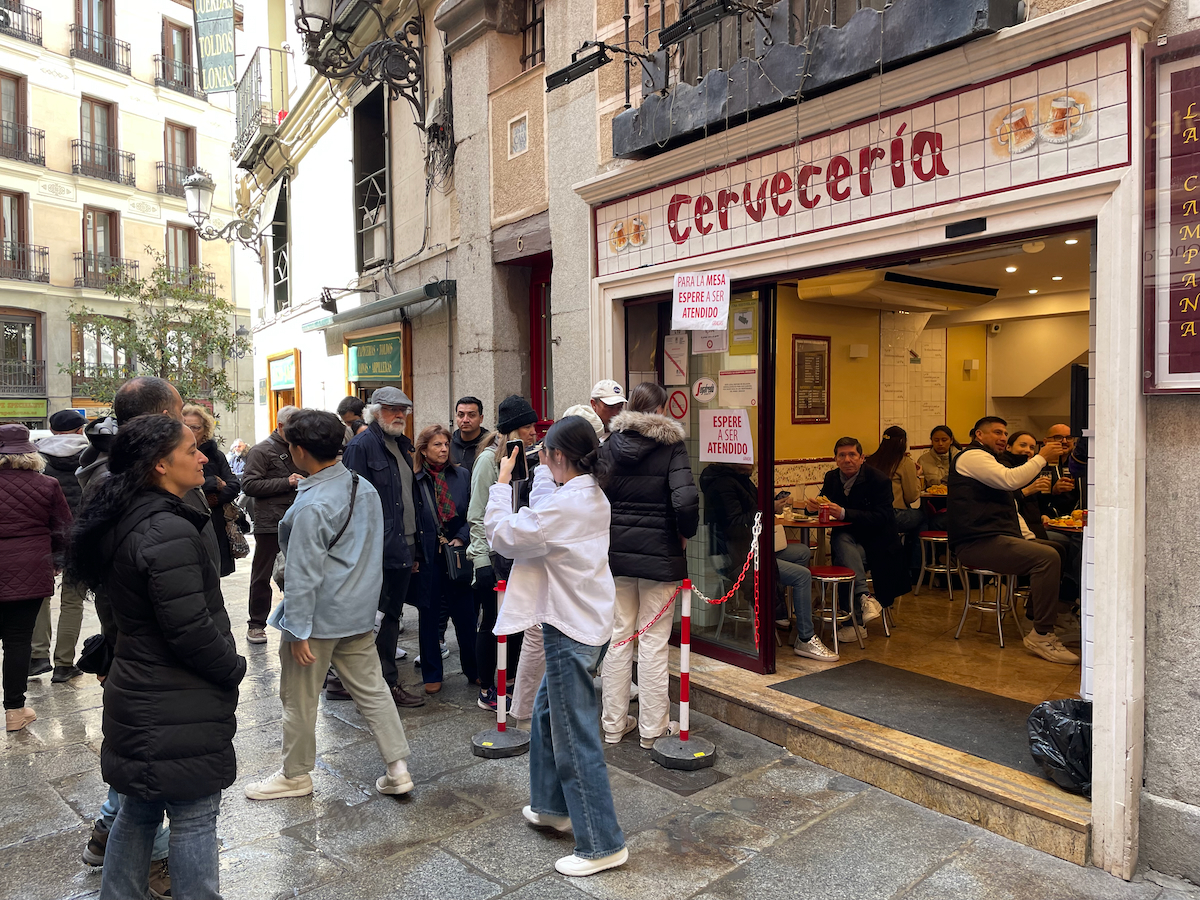
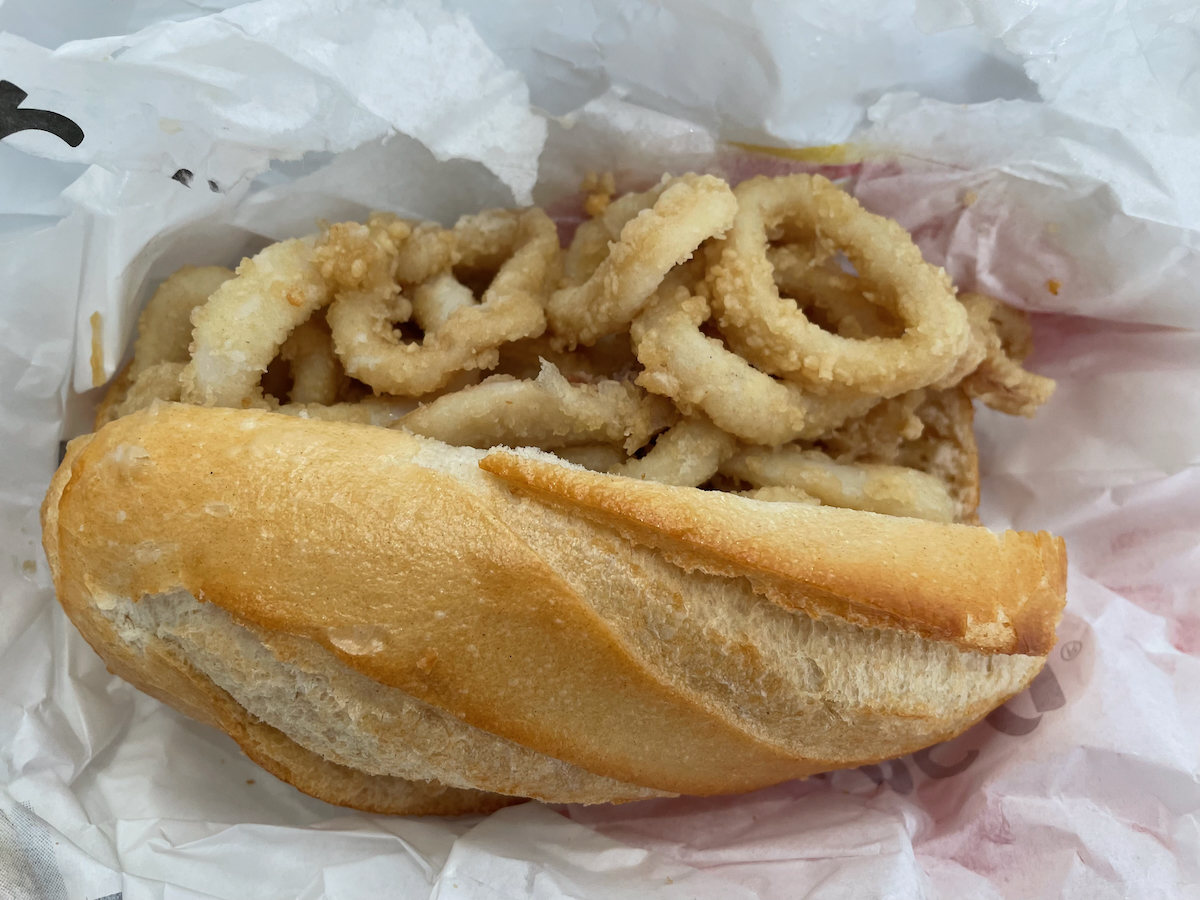
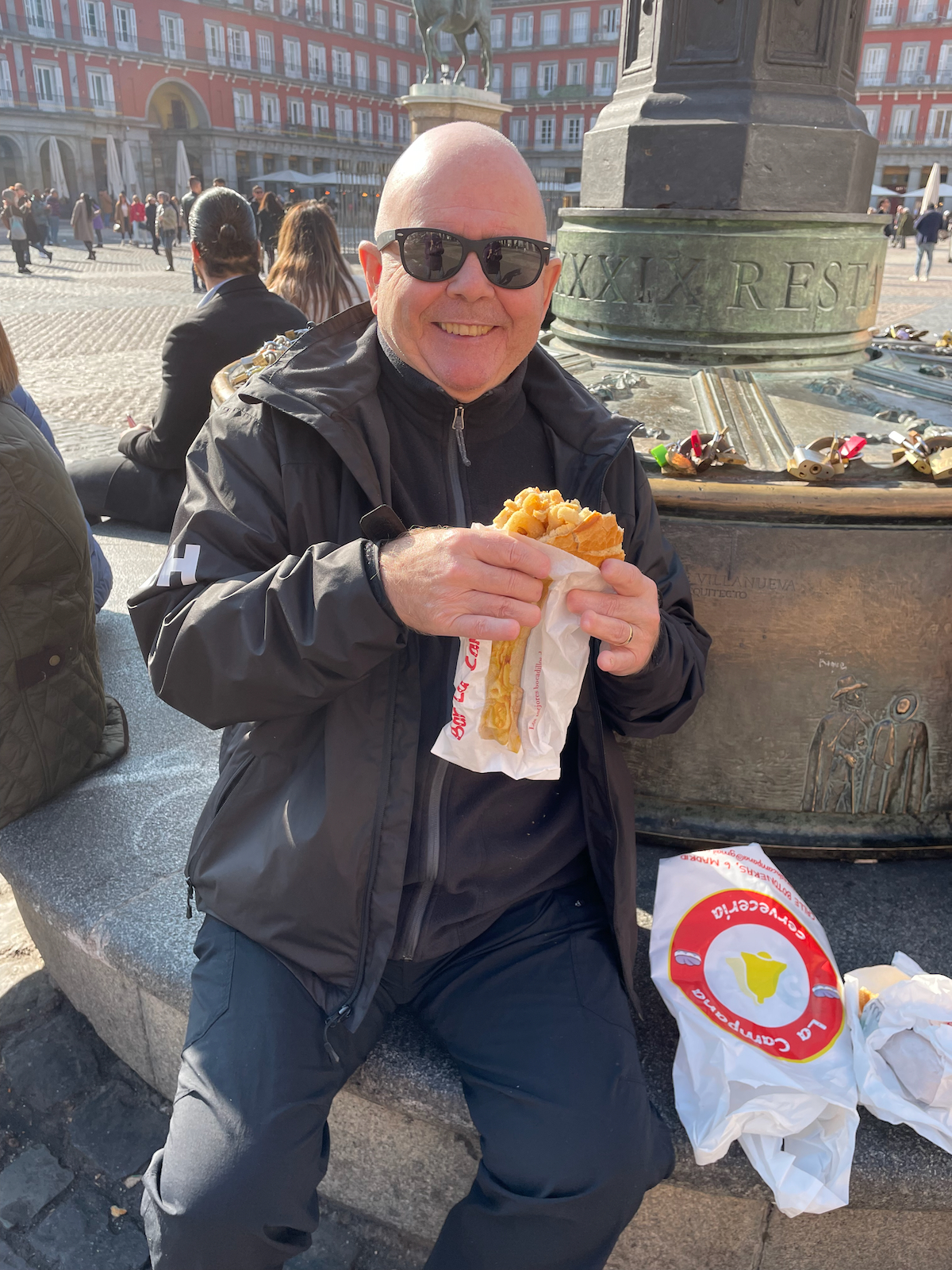
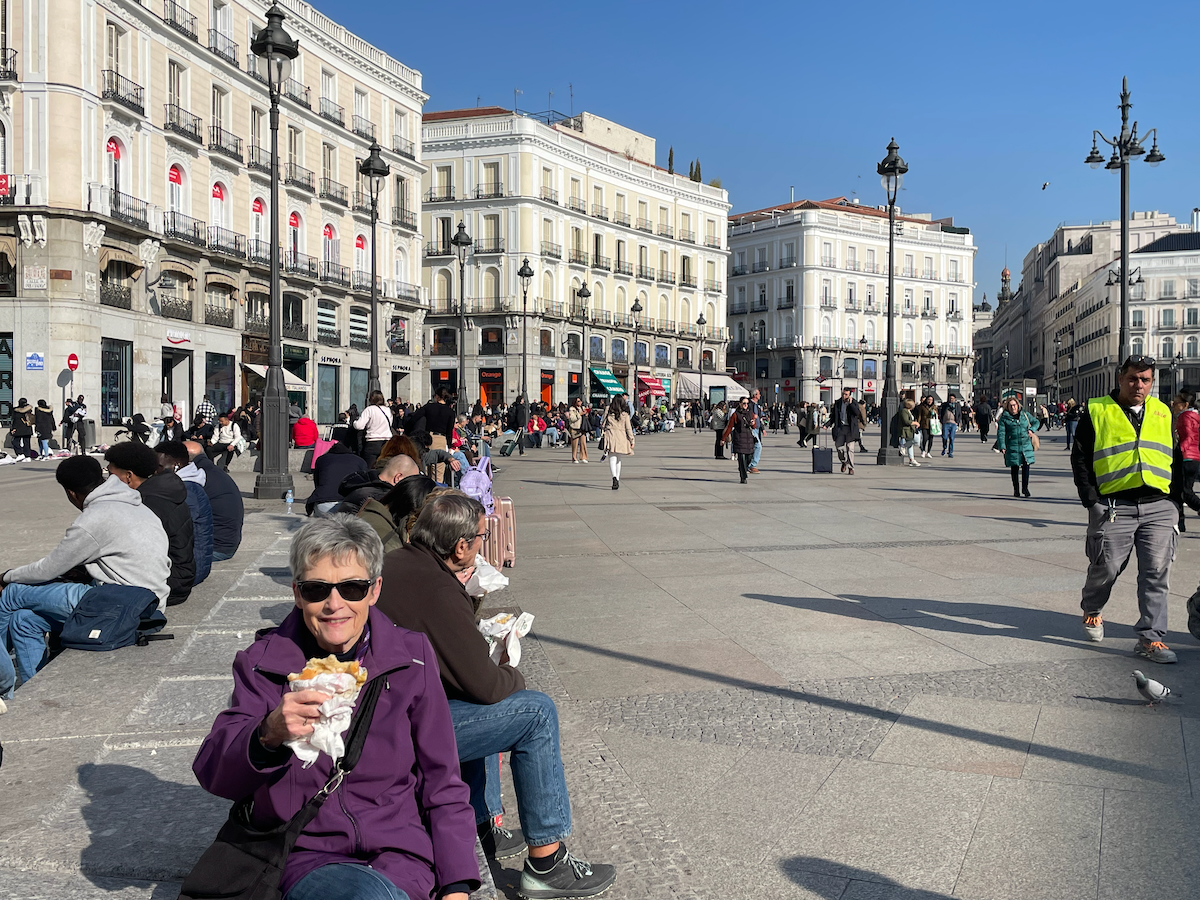


OK, I admit the first half of our day was not spent doing anything exciting. That said, if you get to Madrid, you do need to do yourself a favour and go and have a Calamari Bocadillo at La Campana.
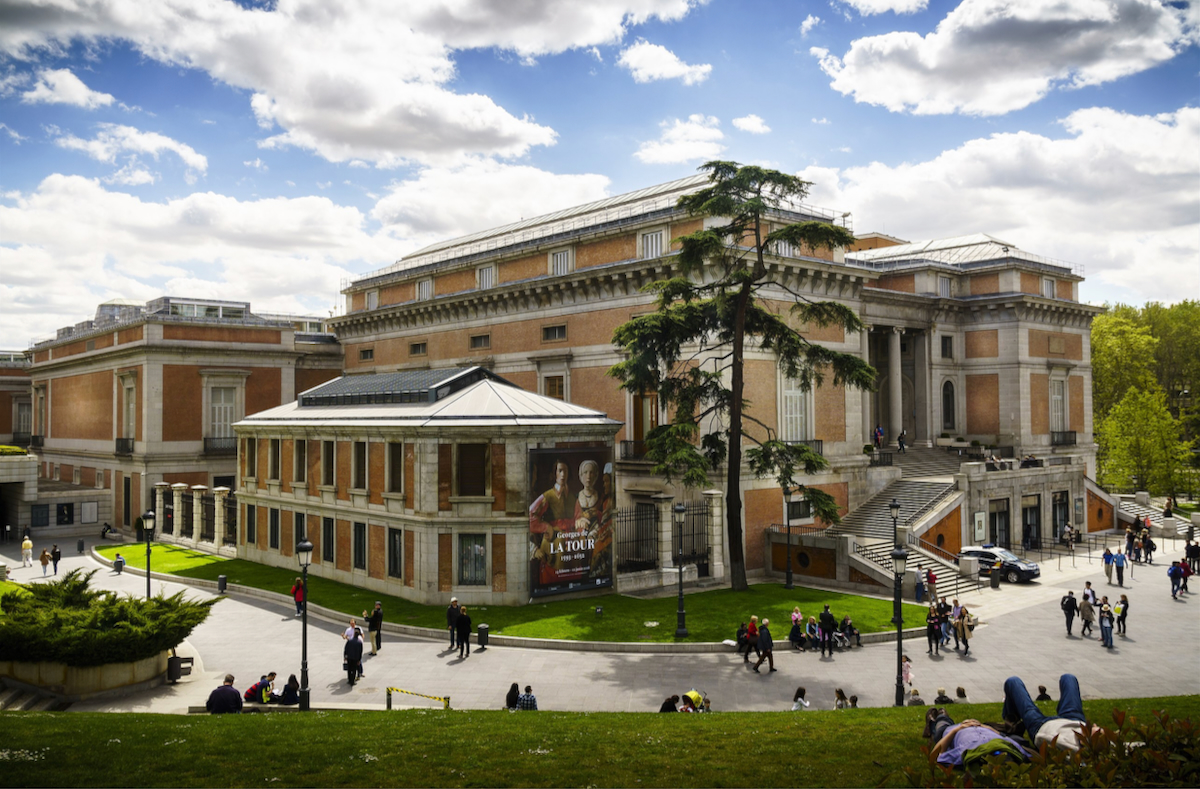
The final afternoon of our last day in Madrid was spent at the world-famous art gallery, the Museo del Prado.
Art Gallery-Palooza
Madrid might be my favourite city in Europe in which to view art. It hosts three world-class art galleries all within walking distance of one another, the Prado, the Thyssen, and the Reina Sofia.
Before I launch into our afternoon spent at the Prado, a few words about the Museo Nacional Centro de Arte Reina Sofía also commonly known as the Reina Sofia, and the Thyssen-Bornemisza National Museum, more commonly known as the Thyssen.
The Reina Sofía – https://www.museoreinasofia.es/en
According to the Wikipedia entry…
“The Museo Nacional Centro de Arte Reina Sofía (“Queen Sofía National Museum Art Centre”… is Spain’s national museum of 20th-century art. The museum was officially inaugurated on September 10, 1992, and is named for Queen Sofía.”
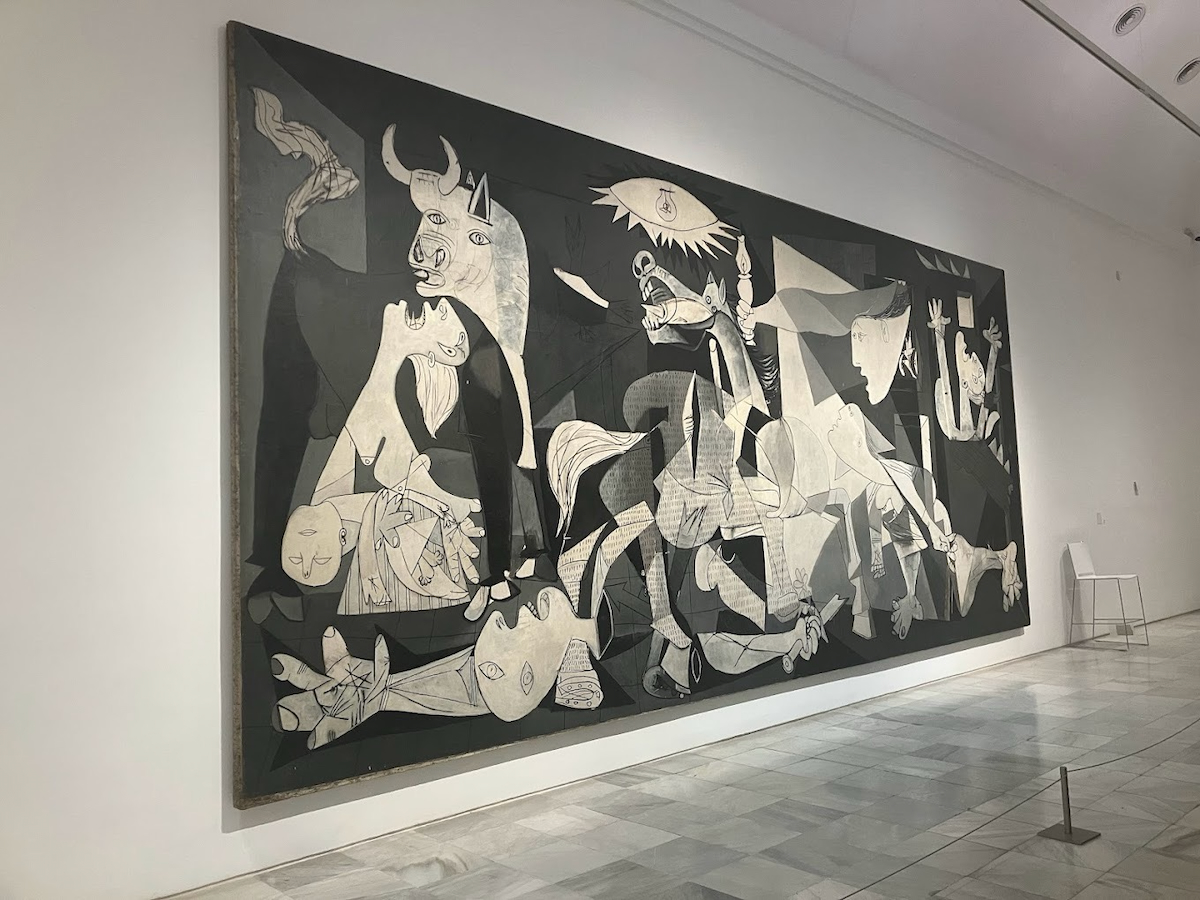
“The museum is mainly dedicated to Spanish art. Highlights of the museum include collections of Spain’s two greatest 20th-century masters, Pablo Picasso and Salvador Dalí. The most famous masterpiece in the museum is Picasso’s 1937 painting Guernica. Along with its extensive collection, the museum offers a mixture of national and international temporary exhibitions in its many galleries, making it one of the world’s largest museums for modern and contemporary art.”
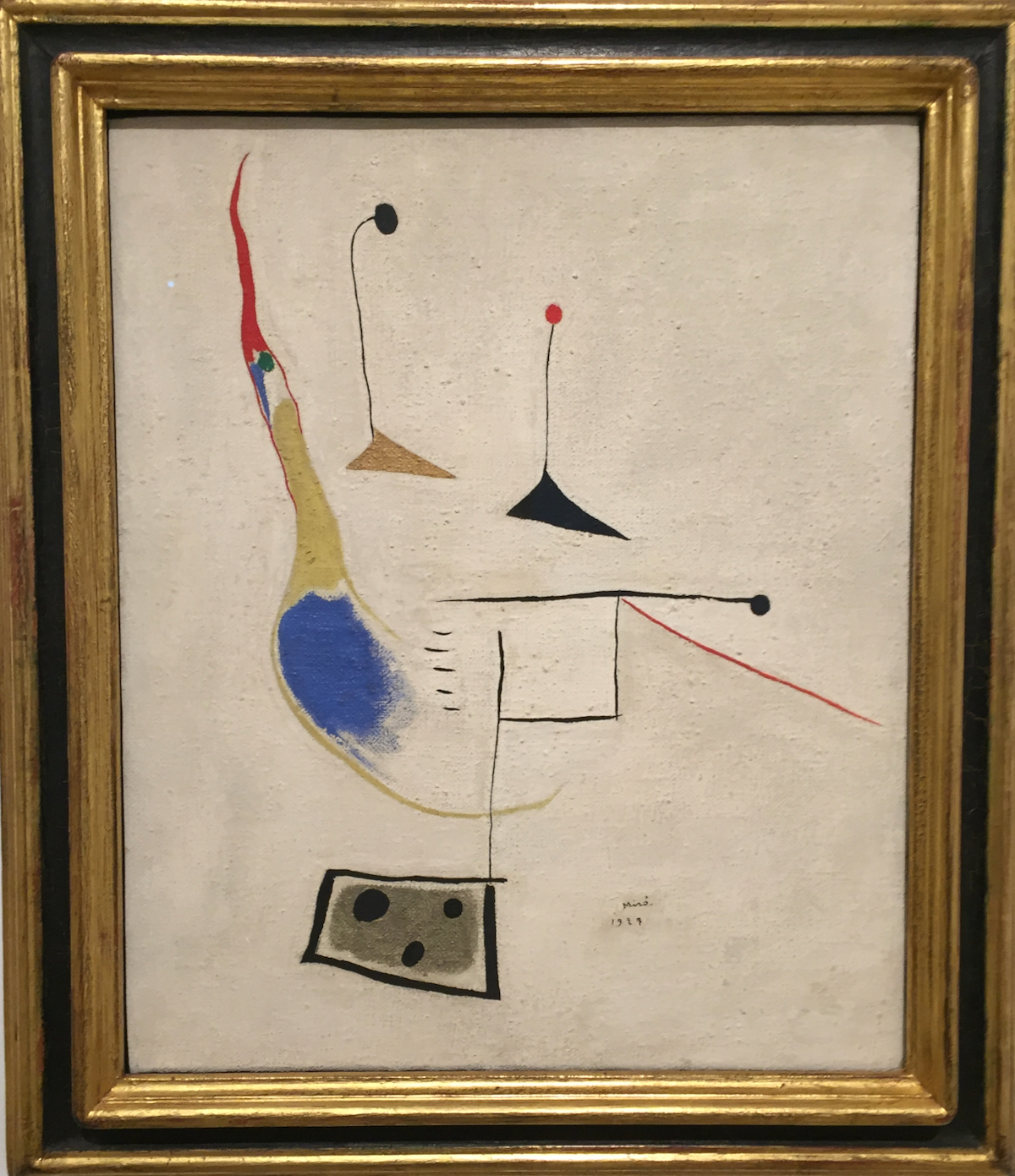
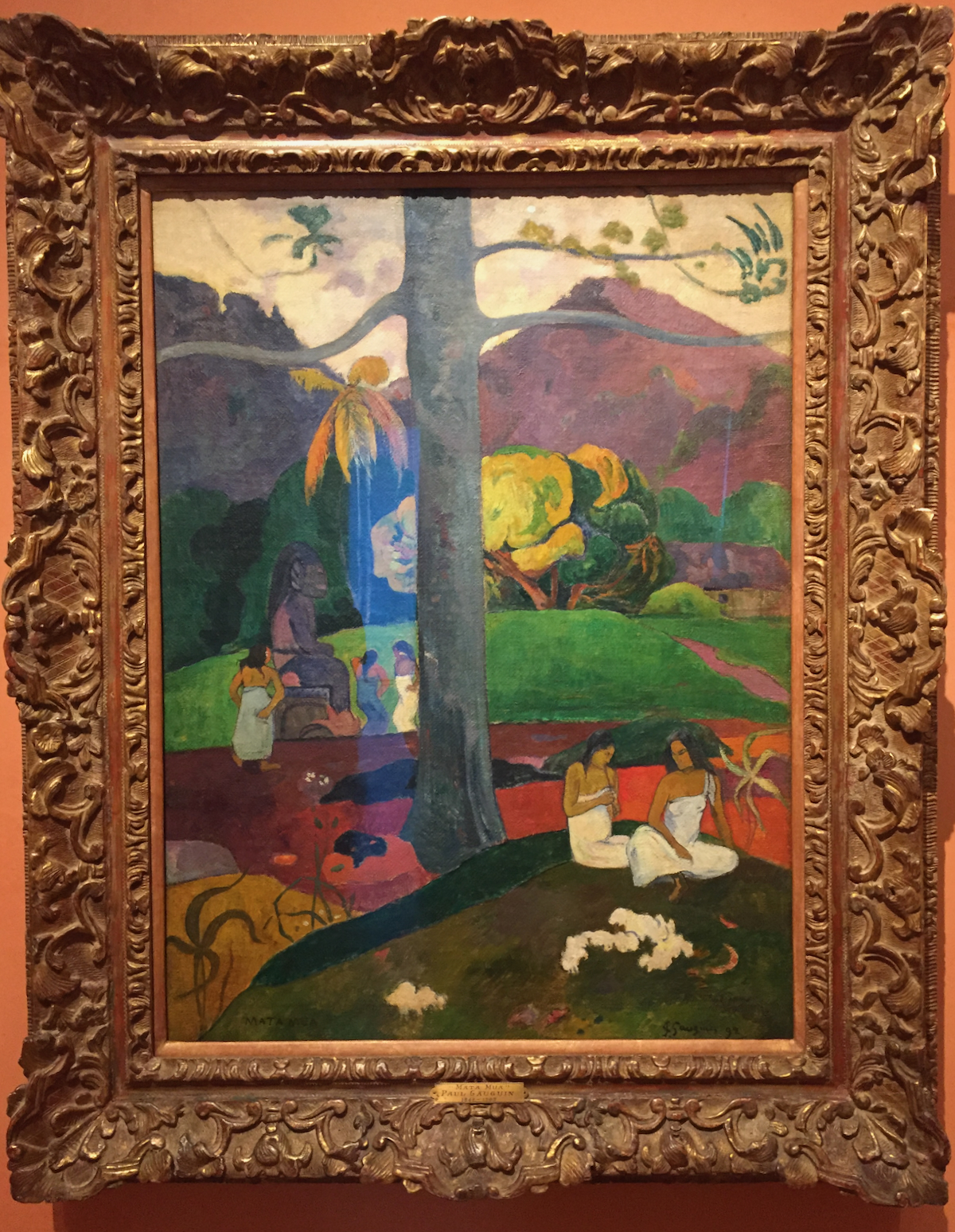
One of my favourite periods of art extends from the beginning of the Post-Impressionism period (Van Gogh, Lautrec, Cézanne, Gauguin, Rousseau, Seurat etc.) through the Modernist period (Picasso, Dali, Miró, Klimt, etc.). This might be my favourite gallery in the world as a result of that… although I do have a lot of favourites.
The following are a few personal photos from the Reina Sofia. Taking photos is prohibited inside the gallery. But that did not completely stop me. I have been yelled at for taking pictures in art galleries all over the world… Including the Reina Sofia and the Prado. 🙂




The Thyssen – https://www.museothyssen.org/en
According to the Wikipedia entry…
“The Thyssen-Bornemisza National Museum (Spanish: Museo Nacional Thyssen-Bornemisza… named after its founder, Baron Heinrich Thyssen-Bornemisza), or simply the Thyssen, is an art museum in Madrid, Spain, located near the Prado Museum on one of the city’s main boulevards. It is known as part of the “Golden Triangle of Art”, which also includes the Prado and the Reina Sofía national galleries. The Thyssen-Bornemisza fills the historical gaps in its counterparts’ collections.”
“The collection was started in the 1920s as a private collection by Heinrich, Baron Thyssen-Bornemisza de Kászon. In a reversal of the movement of European paintings to the US during this period, one of the elder Baron’s sources was the collections of American millionaires coping with the Great Depression and inheritance taxes “
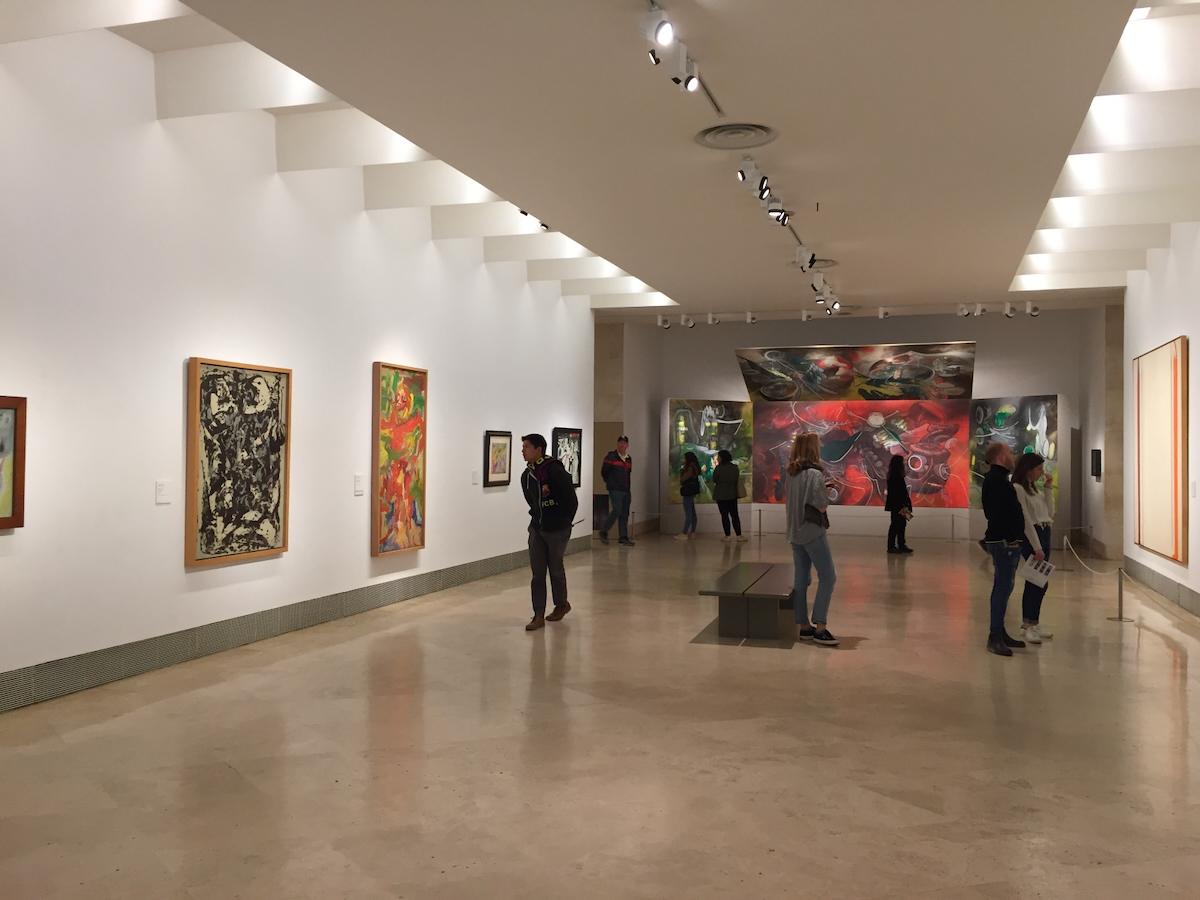
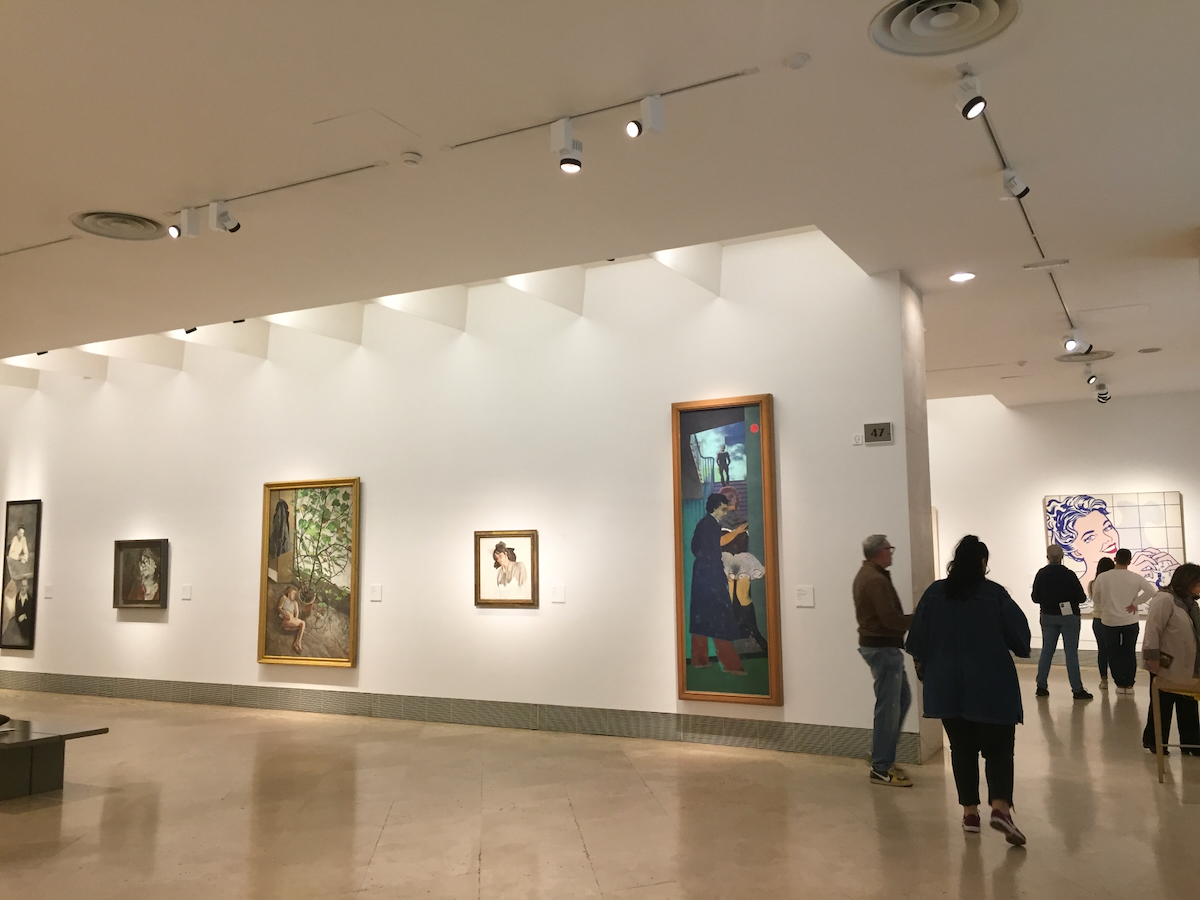
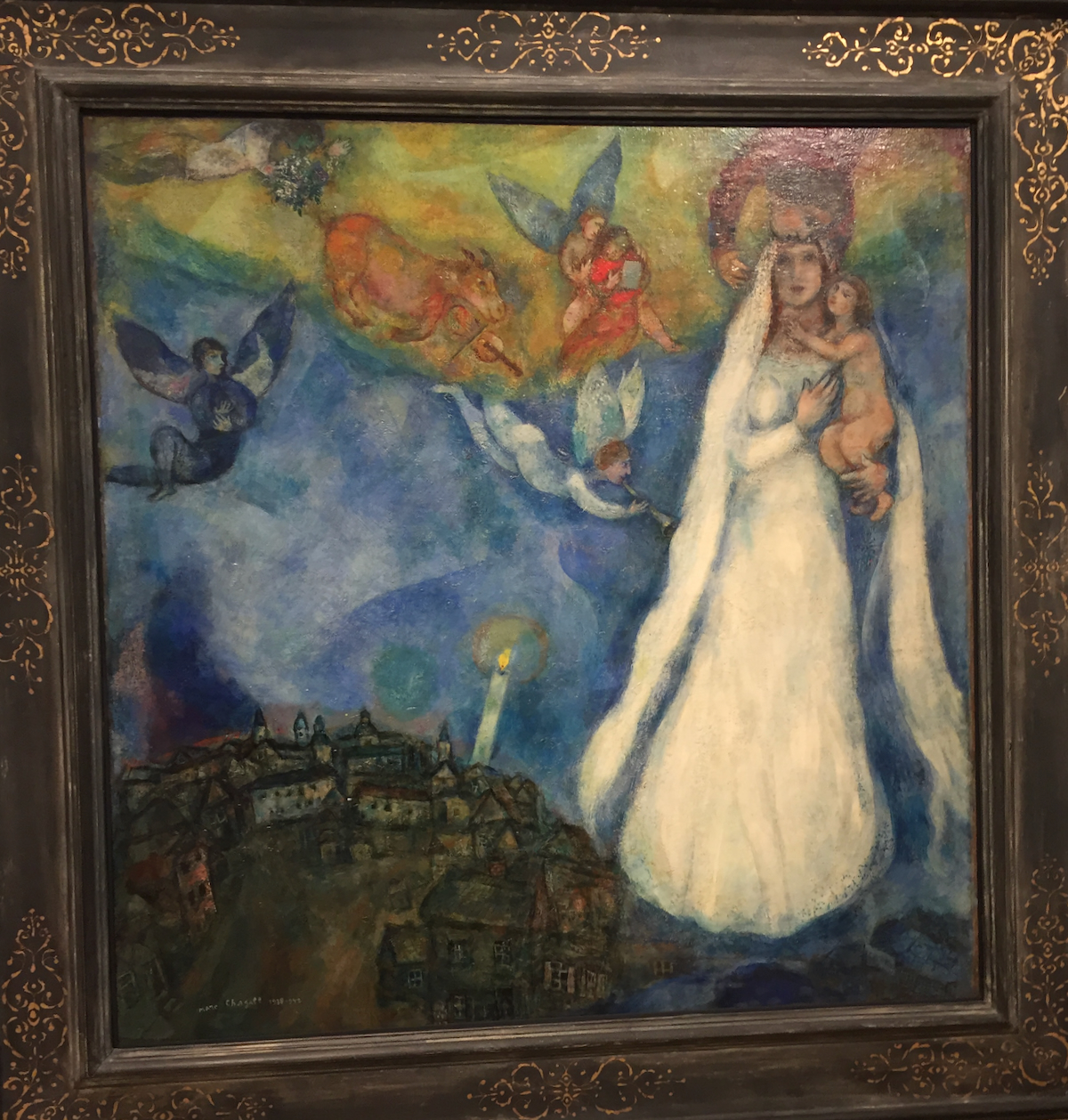
I wish I could remember who told me this, but it was pointed out to me that the benefit of the Thyssen is that the paintings exhibited here tend to be… how should I say this… perhaps “second tier” paintings… of many of the world’s masters, and the paintings of lesser-known artists. As such, I find it to be a refreshing counterpoint to visits to the two other major galleries In Madrid.
I have considerably more personal photos from the Thyssen because you are allowed to take photos there. Generally, taking photos is not an accepted practice in most art galleries. At one time it was because the flashes from flash cameras were damaging paintings, but most recently it is strictly about copyright protection.




The Prado – https://www.museodelprado.es/en/the-collection
At last, we come to an art gallery that we actually visited during this particular visit to Madrid, the Museo del Prado, more commonly referred to as the Prado. And it is a beauty. Left to my own devices, I am sure that I would’ve chosen the Reina Sofia, but because we are frequently in Madrid, we let the Love-goddess’ dear friend, Johanne, select which gallery we would visit on this trip.
I think because of the amount of time we have spent in Spain over the years… (It must eclipse the time spent in France at this point) I have a real affinity for Spanish painters, and just not the modernists. And, there is no better place to see the great masterpieces of Spanish painting than at the Prado.
According to the Wikipedia entry…
“The Museo del Prado … officially known as Museo Nacional del Prado, is the main Spanish national art museum, located in central Madrid. It houses collections of European art, dating from the 12th century to the early 20th century, based on the former Spanish royal collection, and the single best collection of Spanish art.”
“Founded as a museum of paintings and sculpture in 1819, it also contains important collections of other types of works. The numerous works by Francisco Goya, the single most extensively represented artist, as well as by Hieronymus Bosch, El Greco, Peter Paul Rubens, Titian, and Diego Velázquez, are some of the highlights of the collection. Velázquez and his keen eye and sensibility were also responsible for bringing much of the museum’s fine collection of Italian masters to Spain, now one of the largest outside of Italy.”
Buying Tickets, Entry… and Photo Taking
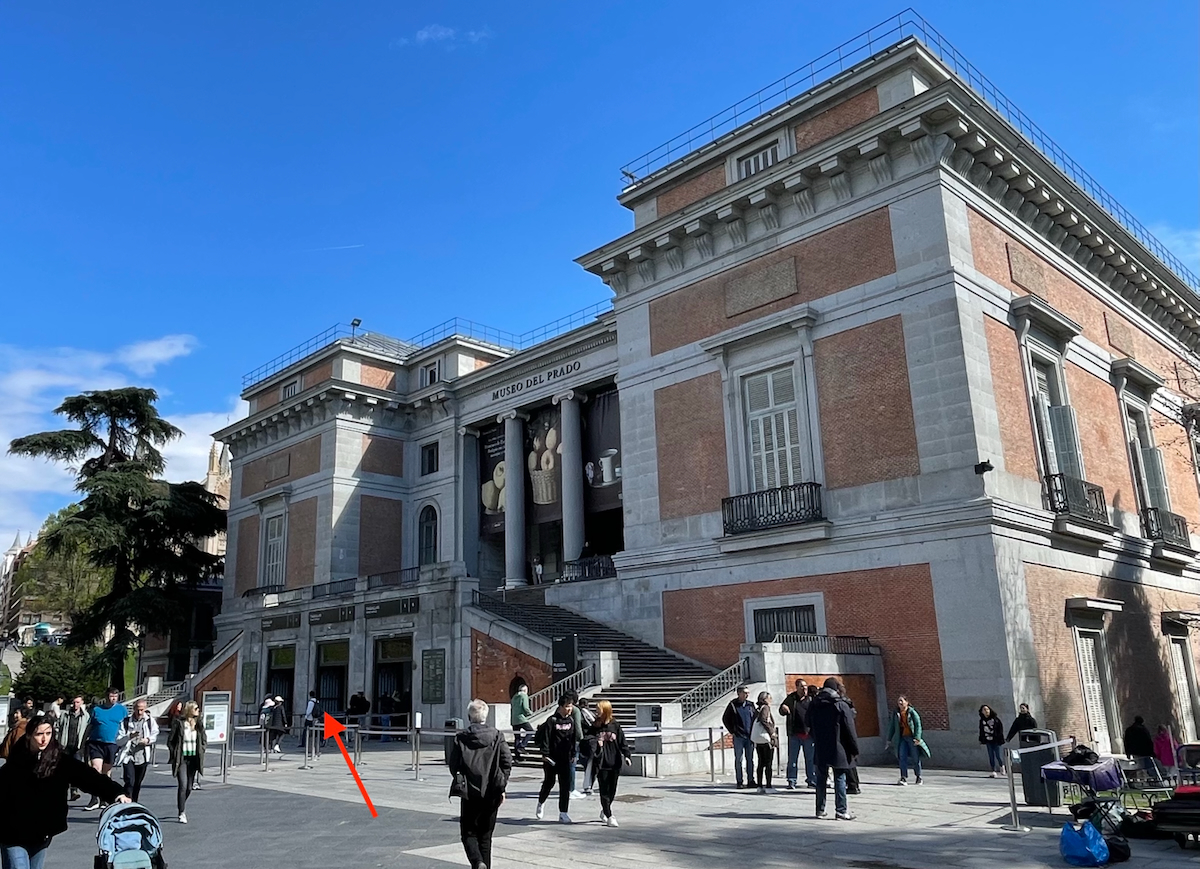
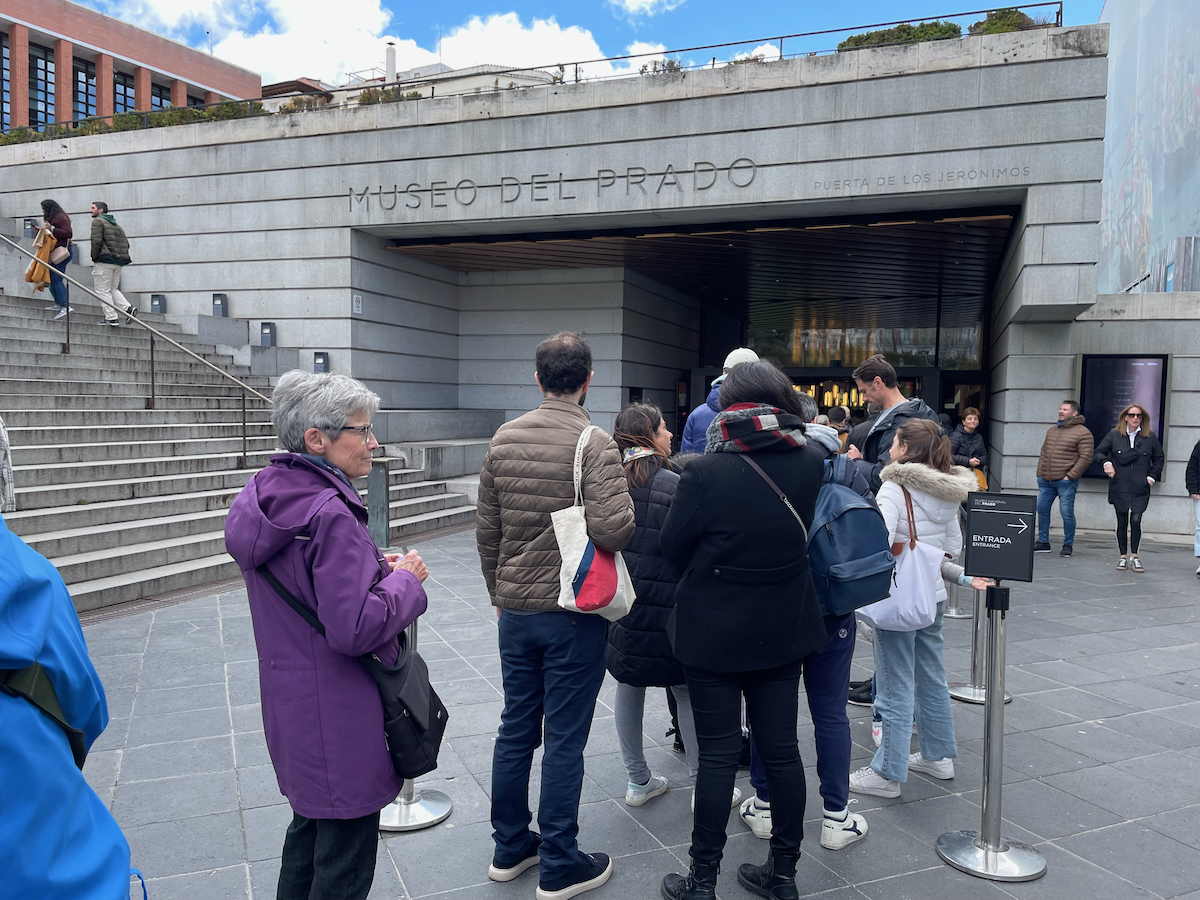
You may be thinking, does ticket buying really need to be written up here? Yes, it does if you want to buy your tickets online in advance and want to get the senior’s discount. This first small photo carrousel attempts to explain the process. First, you go online and buy your tickets. In our case, I bought three senior tickets.
Secondly, you go to the ticket office when you arrive at the Prado and provide them with the locator code that you received in an email after you paid for your tickets. After they have checked your personal identification to confirm that you are a senior they print out your admission tickets.
Then you walk around the corner of the building and line up to get in. There probably will be a lineup when you go because everyone has to go through security where they will look for unwelcome, objects, and confiscate all of your drinks, etc., and then have you check all of your bags and coats. Remember, eco-activists have been going into major galleries in Europe and throwing liquids on paintings and gluing themselves to others. Security is a small necessary price to pay.
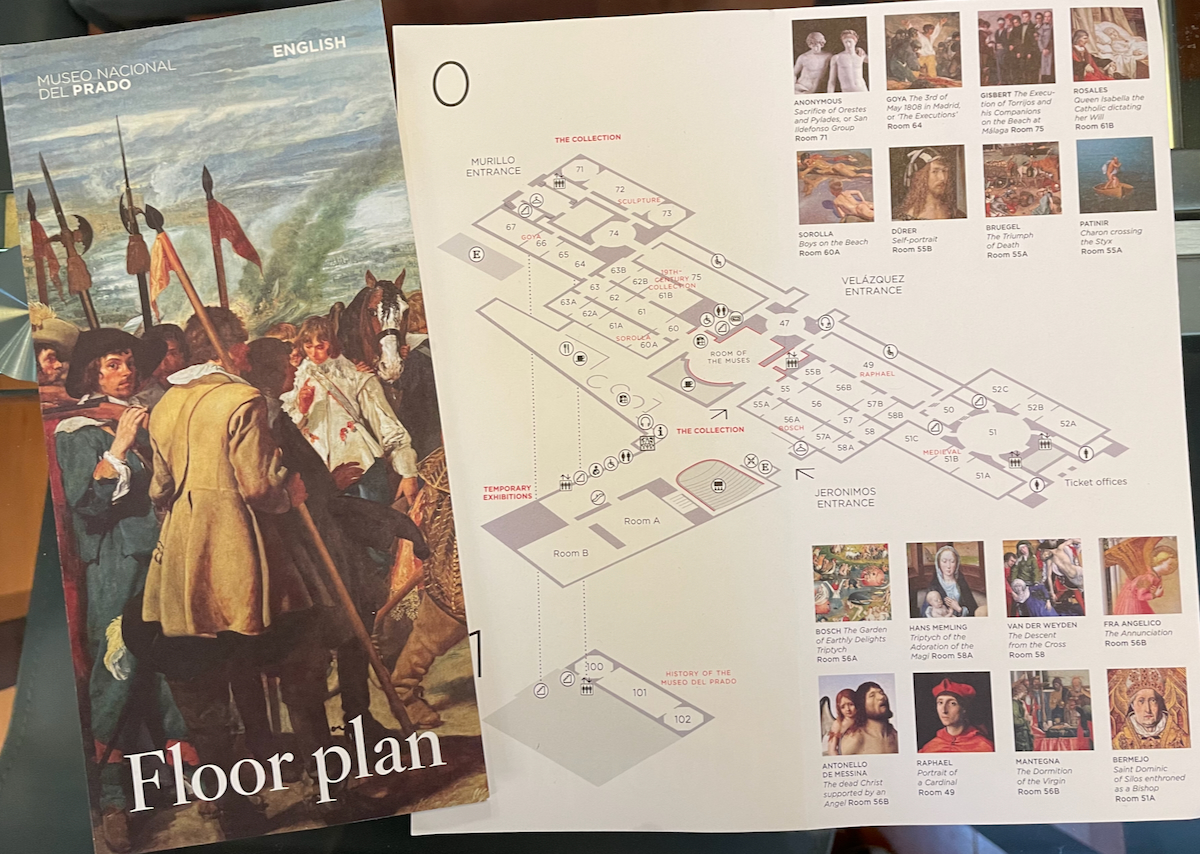
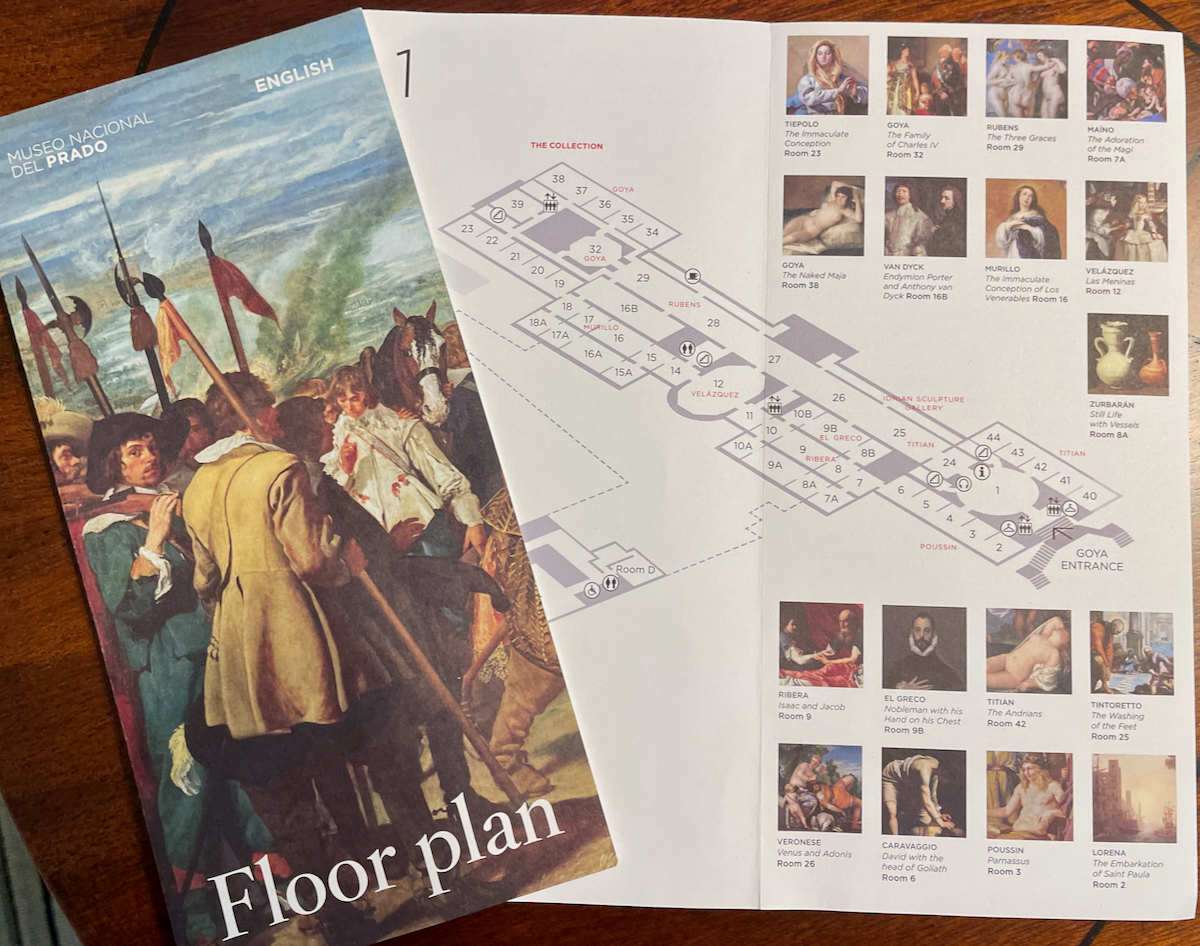
Once inside, you can pick up a number of items to enhance your visit. As with most galleries, you can purchase a headset that will walk you through the gallery and provide you with information about some of the most famous paintings in the collection. If you just want to wander and look, they provide a very handy little floor plan brochure in a variety of different languages. The brochure indicates where most of the major works can be found in the building.
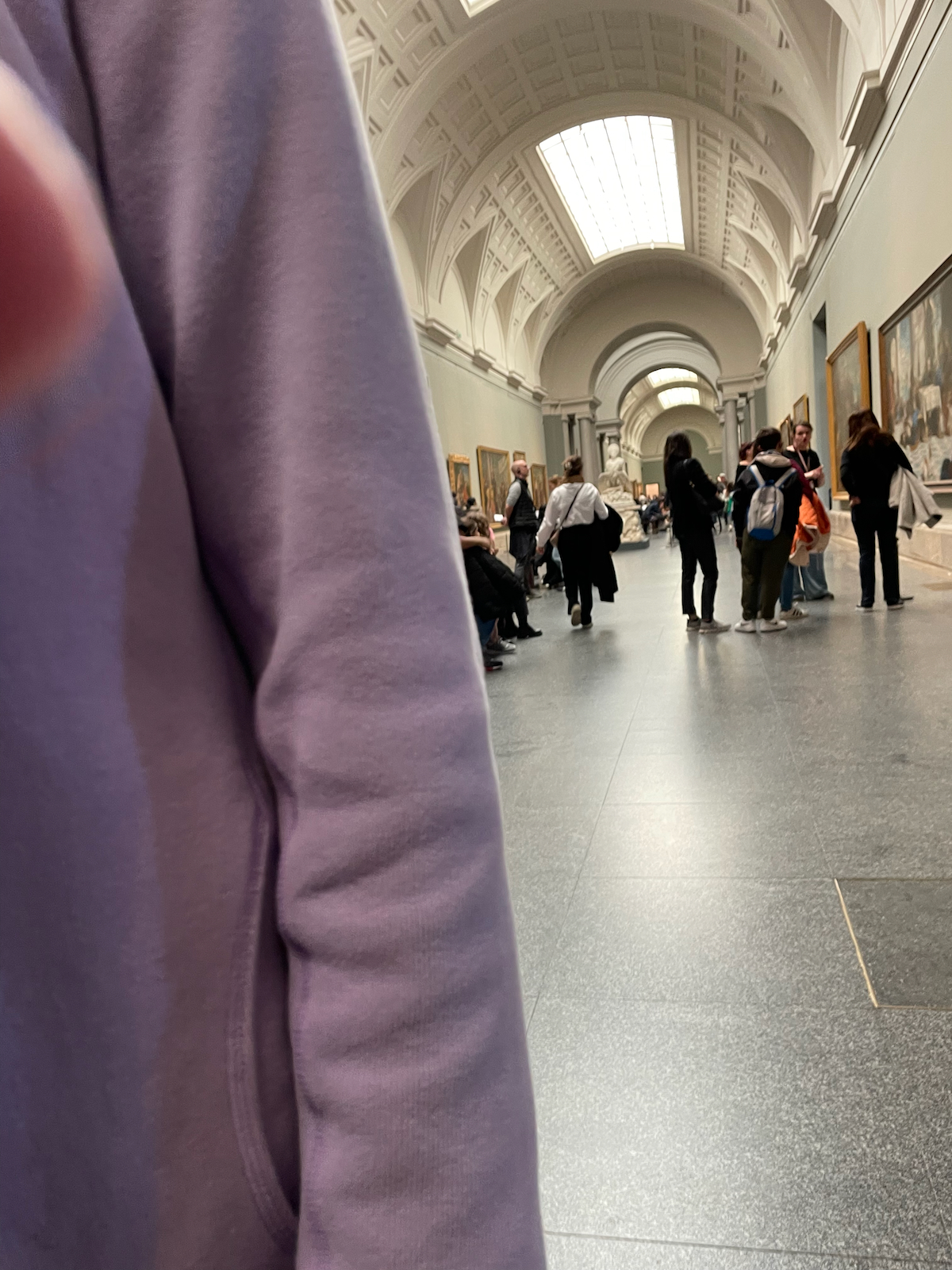
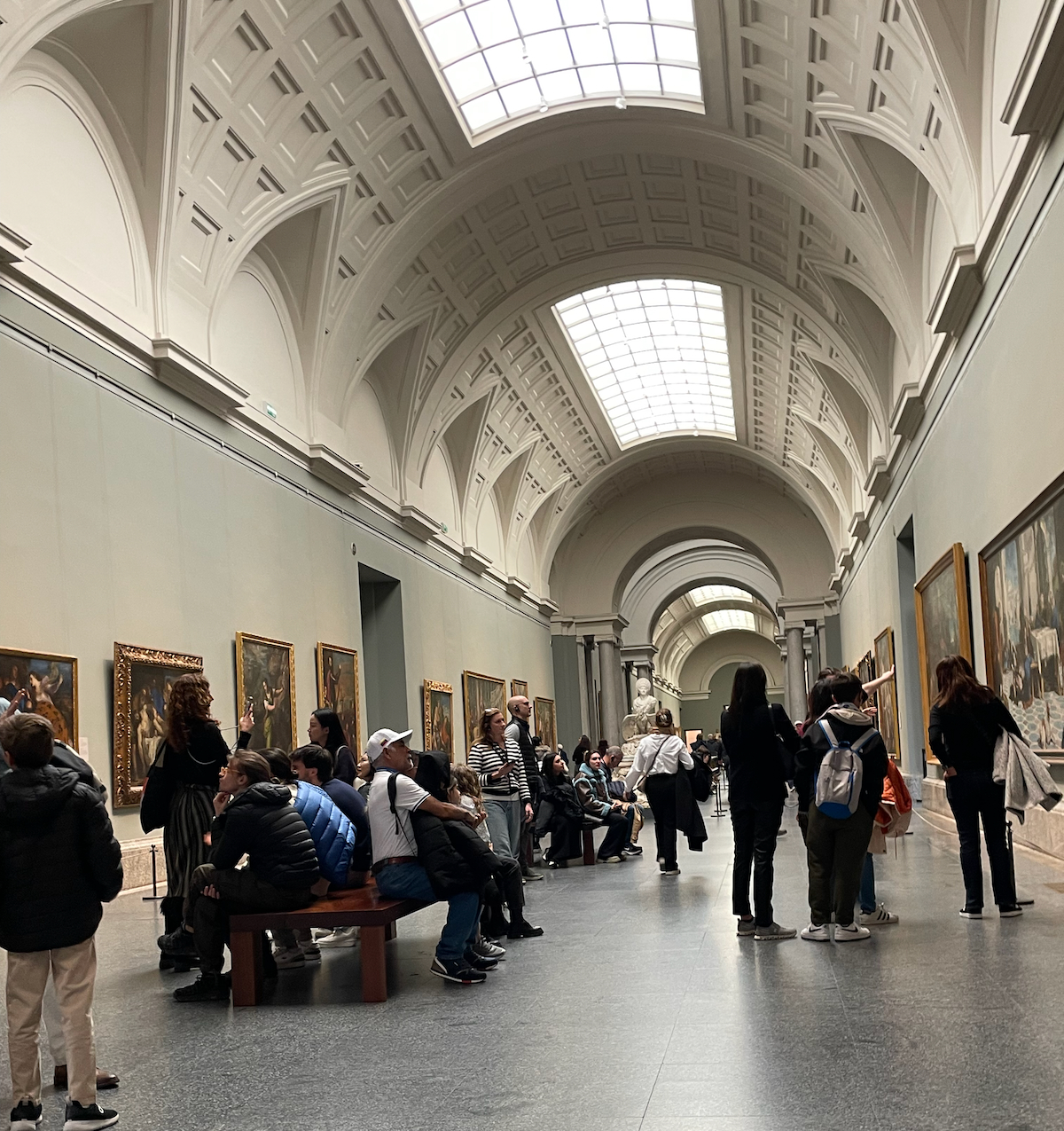
Hypothetically speaking, if like me you can’t resist, and would like to snap a photo or two, I worked out a bit of a system on this visit that seems to work. But, let the record show that I only took one photo on this visit and it was of nothing in particular other than a long view down the main exhibition hallway. 🙂
The system is as follows. Get your partner to stand in front of you while you pull out your phone and bring up the camera. They do not necessarily have to know what you are up to. 🙂 Then, when you are ready, quickly step aside and snap your photo in as unnoticeable a manner as possible. For the purposes of my test run, I took a picture with the Love-goddess stepping aside to show the process in action.
Here is all of that in a photographic nutshell.

The Art
So no, I do not have any photos that I took of some of my favourite paintings in the Prado, but that does not mean you were not going to see them. The following are many of my absolute favourites borrowed from Wikipedia and Google. I would have enjoyed telling you all about these paintings, but that would have required another full article in itself. I would suggest that you Google search each If you are interested in finding out about their history or significance.


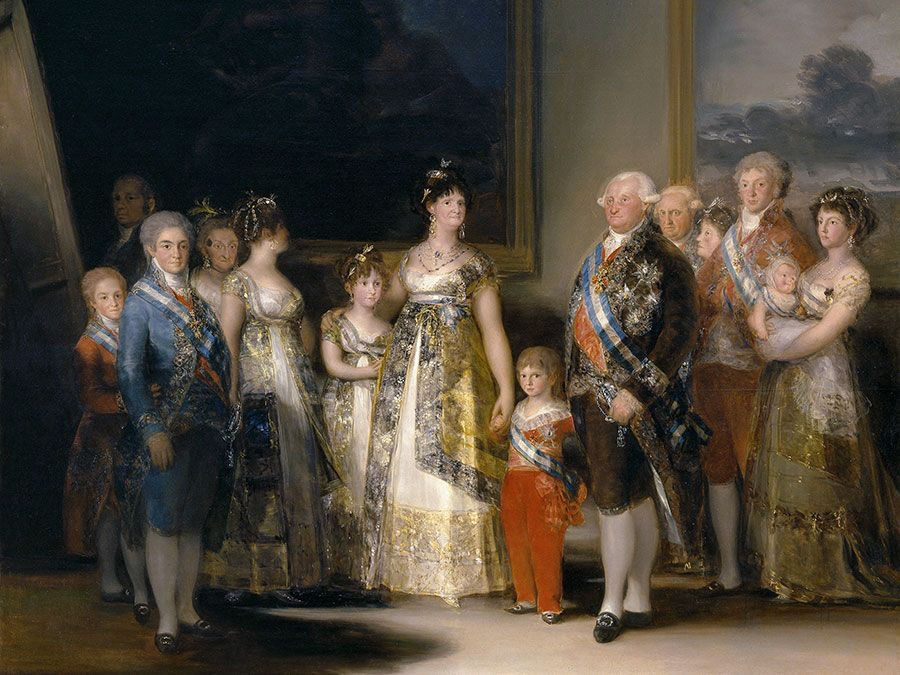
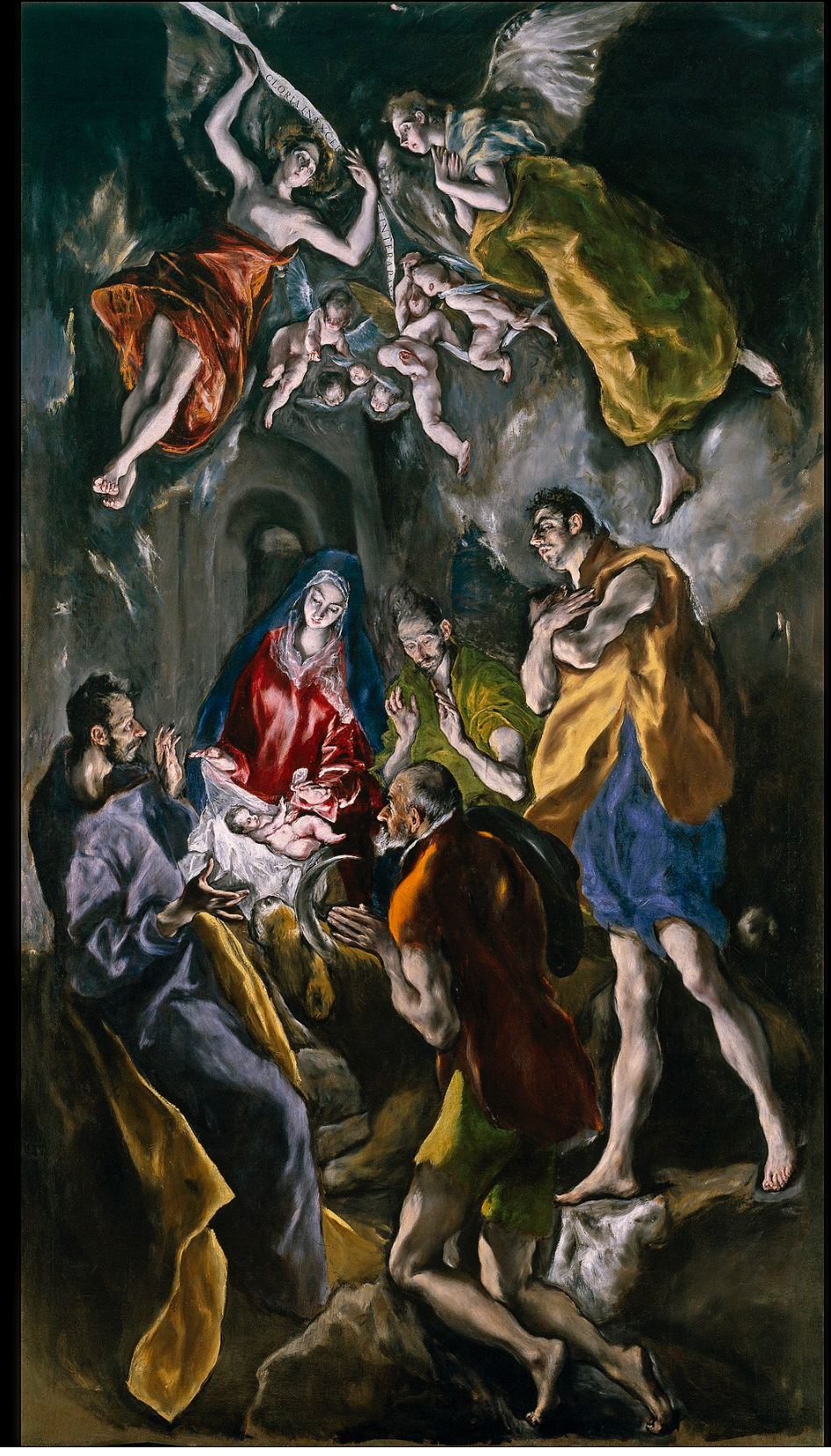

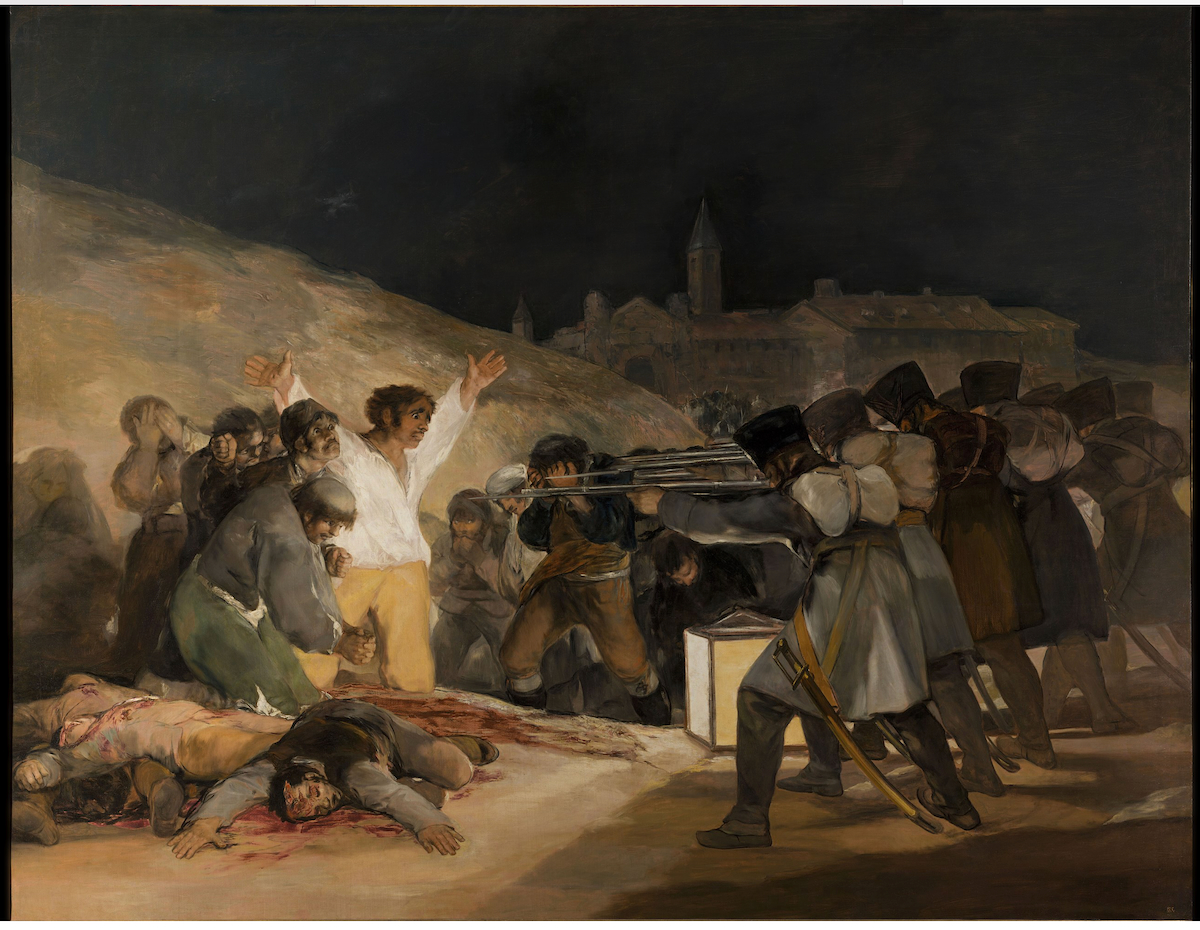
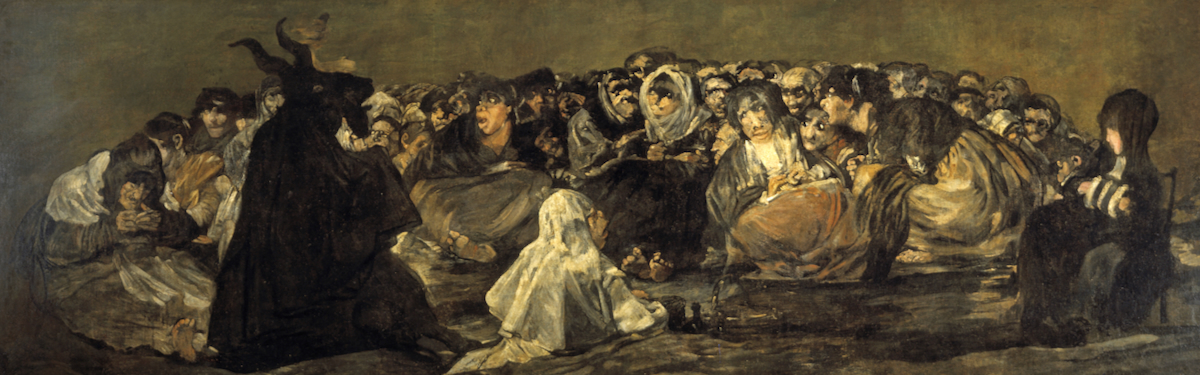
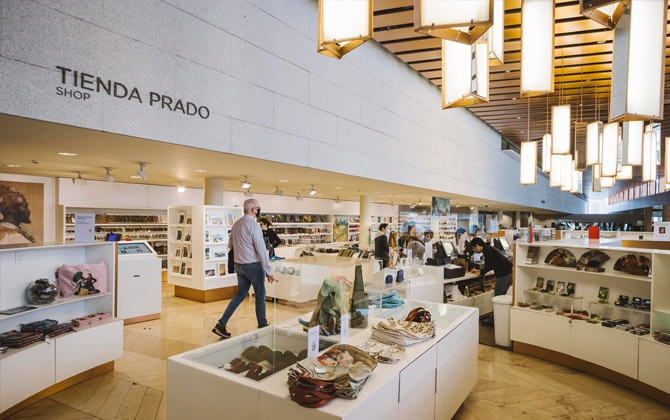
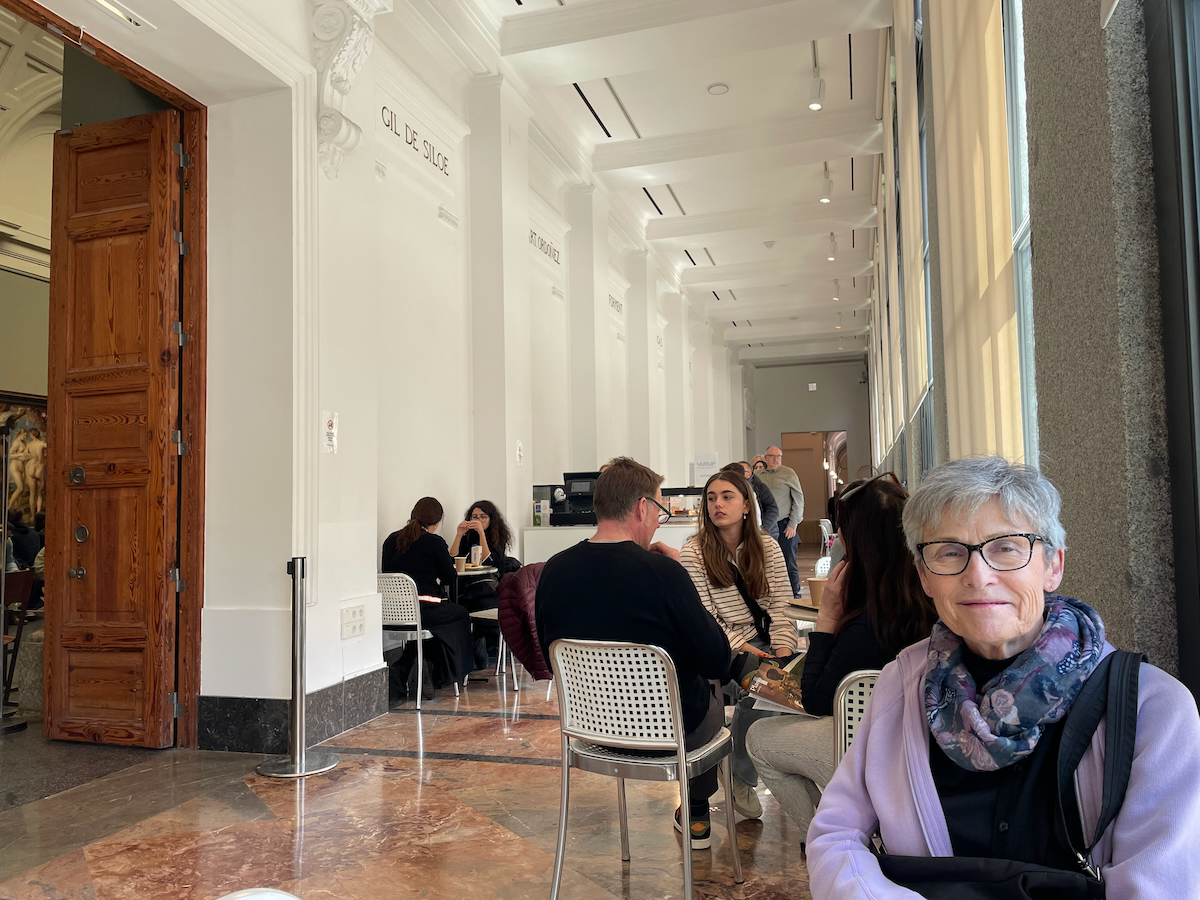
A final Prado thought. Yes, touring art galleries can be intense and tiring. Fortunately, the Prado has a lovely little café on Floor 1 into which you can retreat for a snack and a beverage. It is a lovely respite. The only thing I do not understand is this, – if they confiscate our bottles of water on the way in… so one can’t throw water on a painting one assumes, why are they selling them to us in the café?
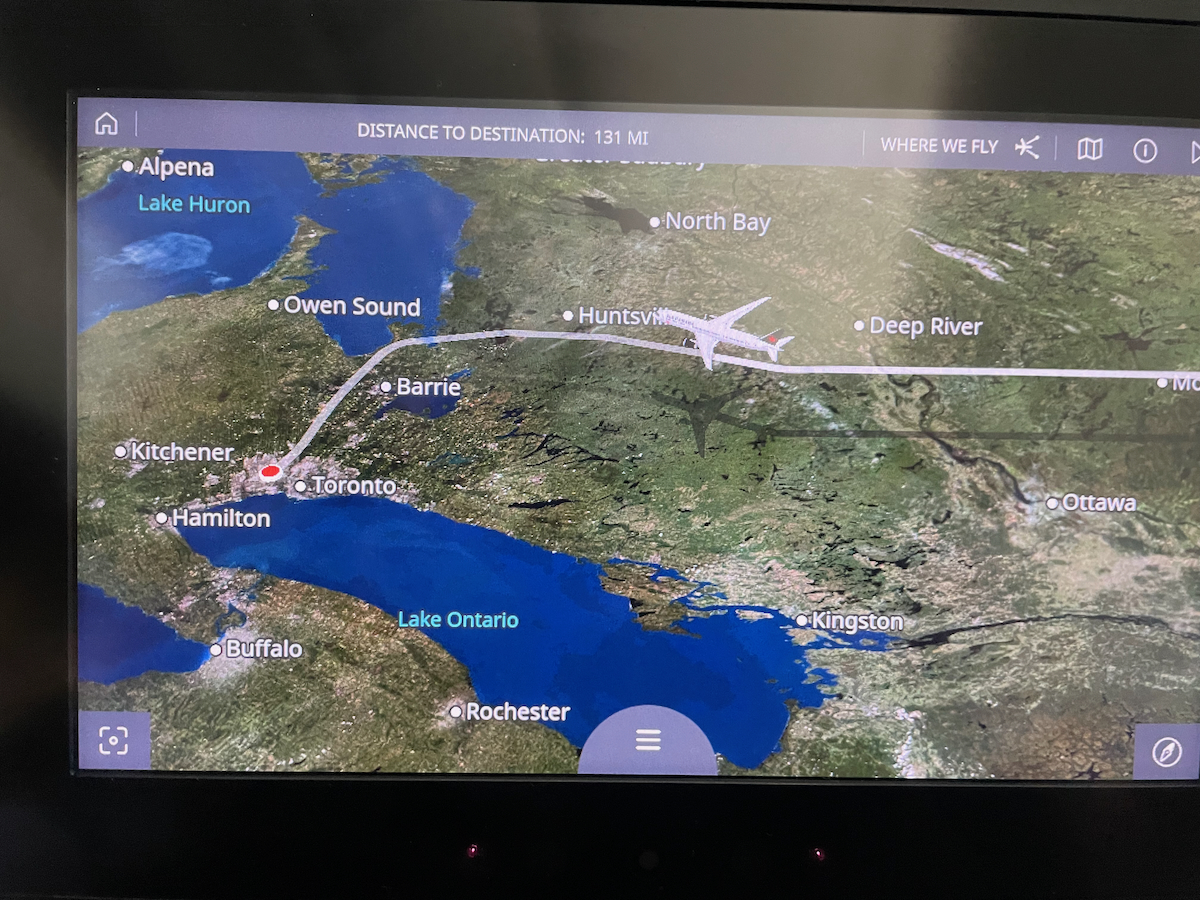
There you have it. Our mini getaway complete, the only thing left to do is have a good night’s sleep and grab the 12:45 PM flight home.
The Flight Home
Seriously? You’re now going to write and tell us about the flight home? Surely, that wasn’t even interesting to you?
Yes… err… never mind.
There were a couple of things worth mentioning. First, I received an email a couple of weeks before we flew home to inform me that our flight information had changed. When I looked at it there didn’t really appear to be anything changed other than it looked like the flight was now departing five minutes earlier than previously. In retrospect, I think the plane was changed as well.
My only concern about a change in flight information was whether or not they had changed our seats. I had booked two adjoining aisle seats. There was no way we were flying home business class, so I was attempting to make the best of a potentially bad situation.
There appeared to be no change in our seating, but I noticed a row of bulkhead seats in the centre group of seats now available for an upgrade of about $141 each. In my infinite wisdom, I switched our seats to the two aisle seats available at the bulkhead, leaving the seat between us empty. Frequently airlines will not place someone in that seat if you book your seats this way.
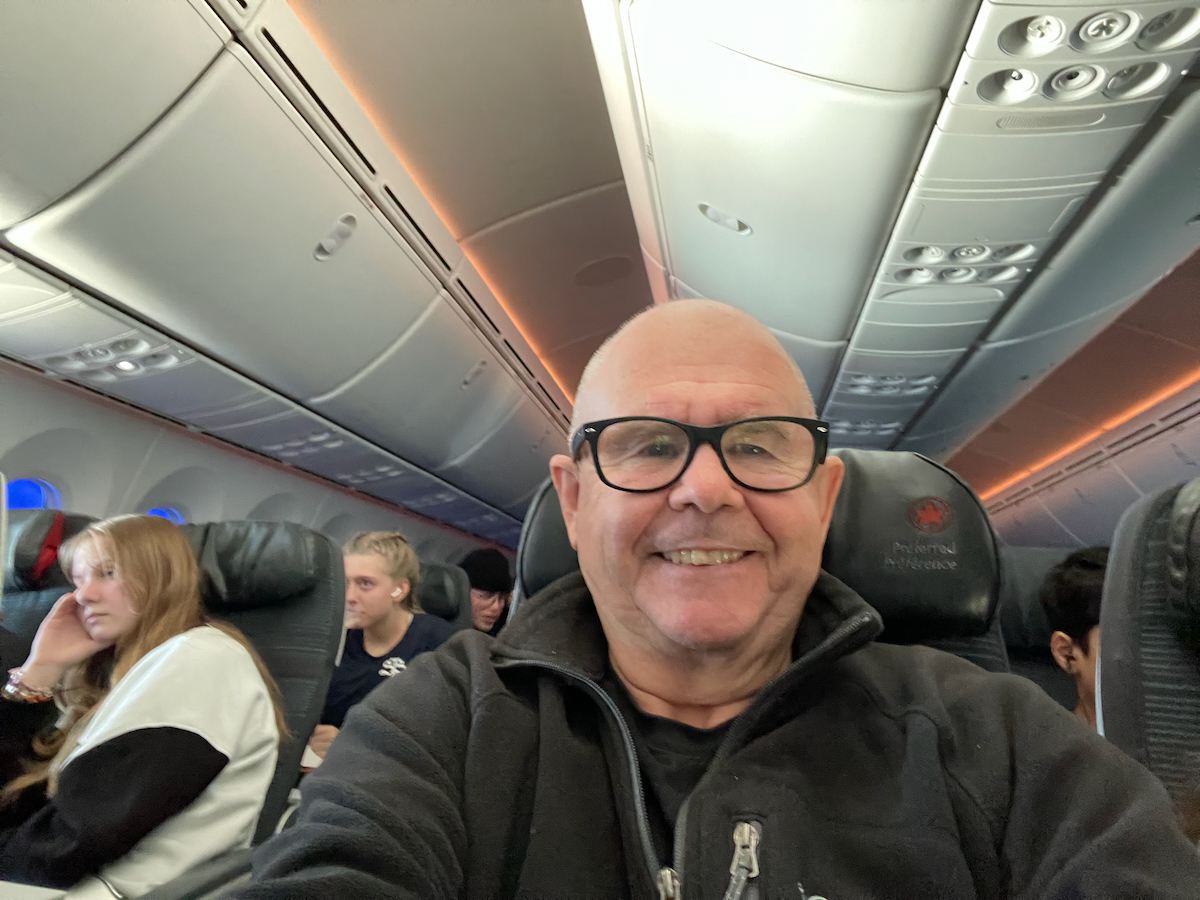
Unfortunately, that did not turn out to be the case. The flight was completely full. The plane ended up being a three-seat, three-seat, three-seat across configuration with incredibly narrow isles to cram in a whole bunch of people flying back to Canada.
As it turned out, the majority of the passengers appeared to be teenagers who had been in Europe on school trips. Oh boy, I thought, this is going to be a whole lot of fun… Not! This thought was the result of me having gone on far too many school field trips with wound-up adolescents in my working life.
There ended up being nothing to worry about. The kiddies were exhausted and when they dimmed the lights after the meal was served most of them nodded off, including the young woman seated between us. It was at this point though that I did decide that we would only fly business class in the future. 🙂
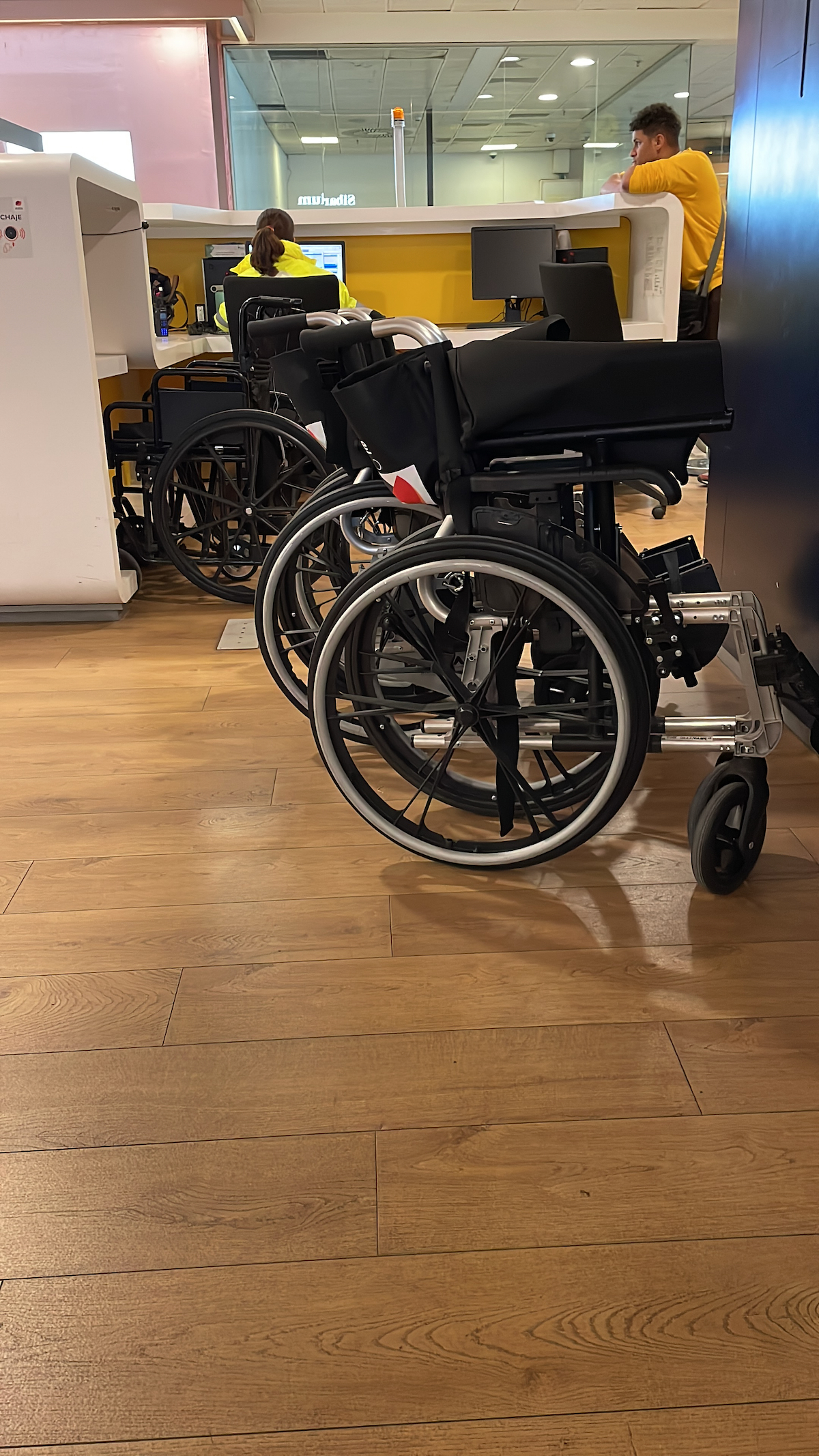
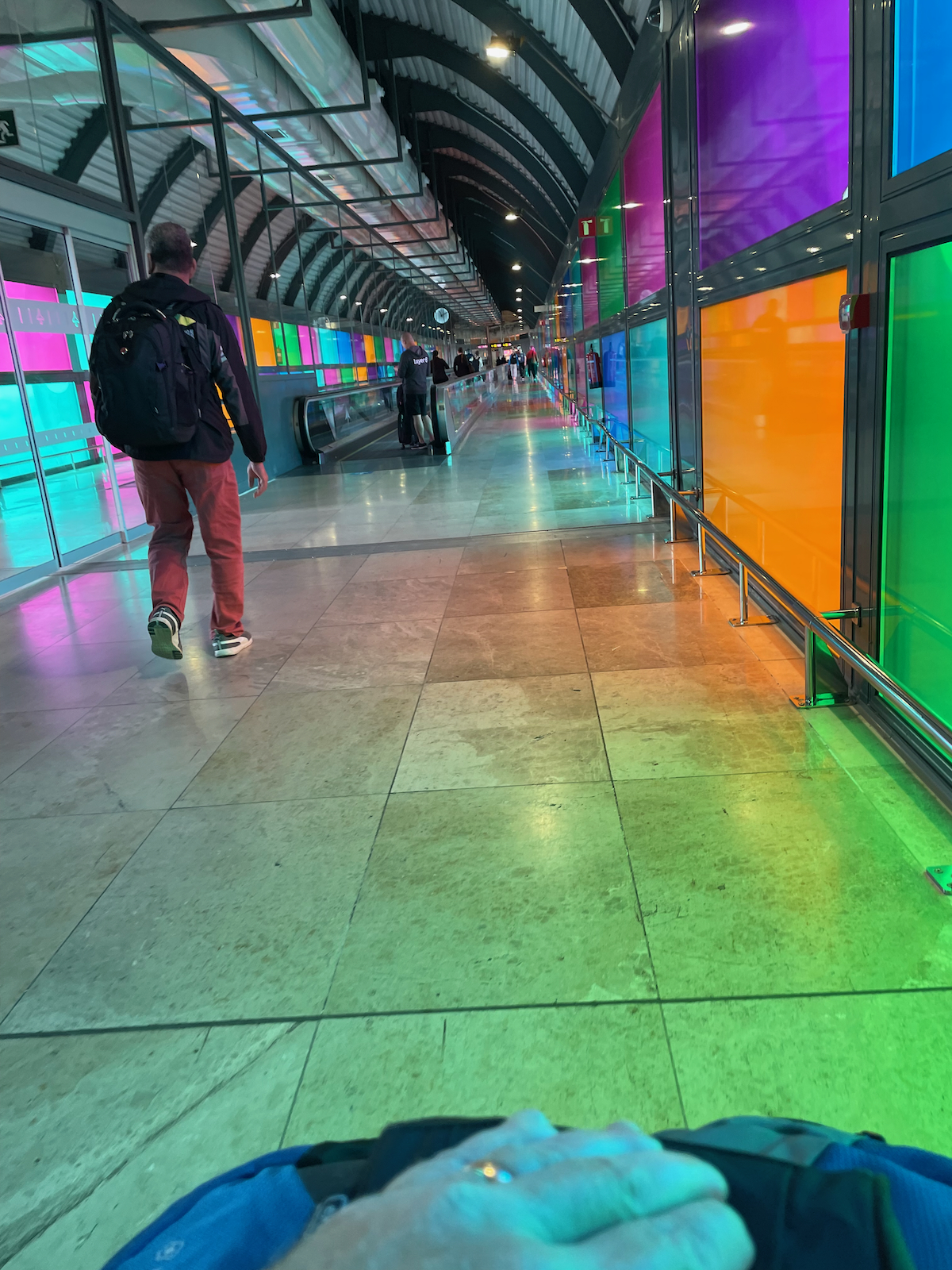
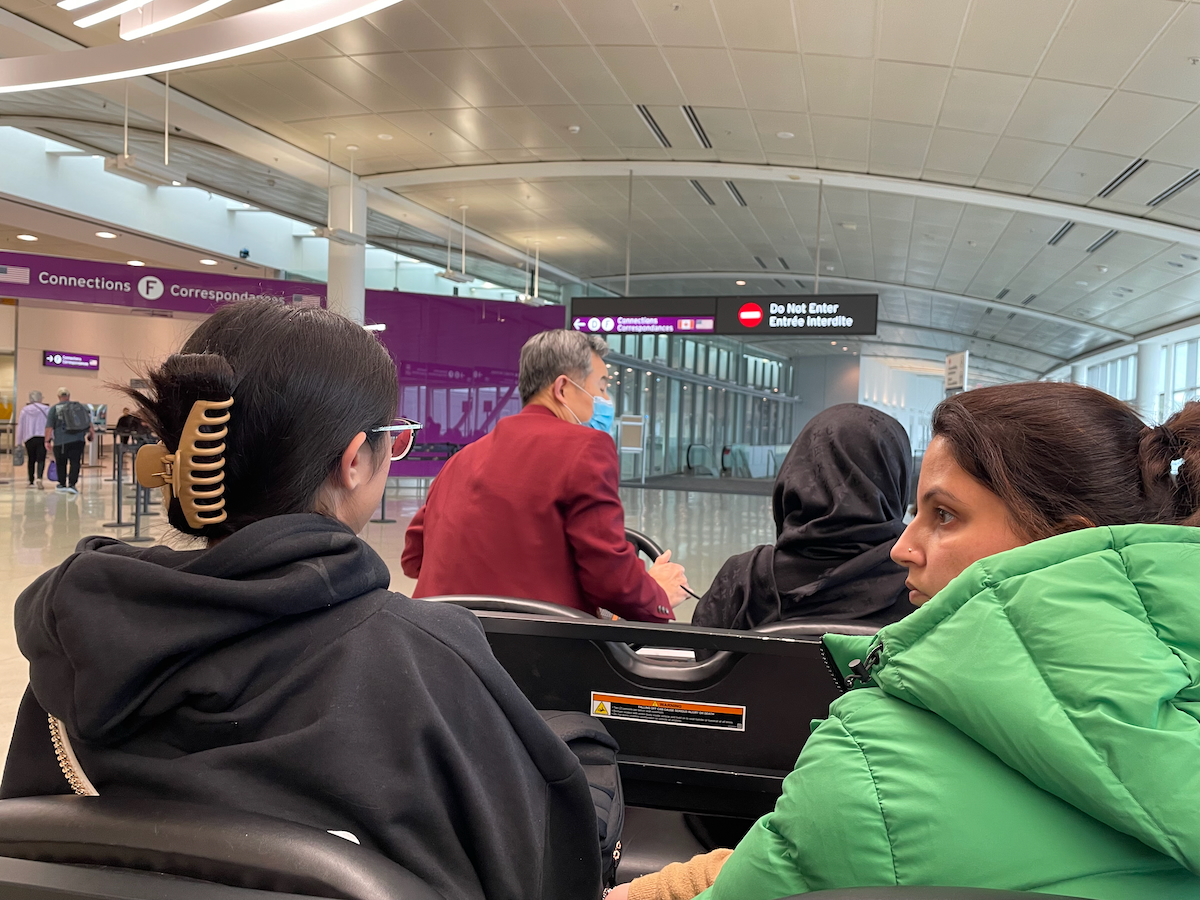
The other issue that was reinforced on the flight home was the need to book a wheelchair to get from inside the security area to the boarding gate. If you are struggling to make those long walks in airports, you should definitely book one every time you fly. The service is available and it doesn’t really benefit you or anyone else for you to try and be a hero.



And Then There Was Jetlag
I once heard that the rule of thumb for Jetlag was that you will suffer one day for every week that you are away. Given that we were away for about nine weeks and that it almost took nine days to feel 100% back to normal, I would have to agree.
Here we are at 5:17 AM on the day following our arrival. The Love-goddess is busily going through the mail, and I am working on Part 1 of this series. My suitcase hasn’t even been unpacked yet. Will this deter us from travelling again? Absolutely not!
See you on our next adventure.


