

Part Five … at long last. Putting together this series has felt a bit like running a marathon, but the finish line is now in sight. First up, an enormous, Major Domo thank you to Brenda and Jimmy H. and Marielle and Andy S. For their contributions to this big picture effort. I am quite certain people will be reading what they have to say about these two interesting European winter destinations for years to come.
I hope you have enjoyed the series, and I do have to tell you that it has really expanded my own understanding about the difference and similarities between these two regions. And, going through this long process of digging up information and listening to what some of my readers had to say, really got me thinking … how do we feel about our choice to winter on the Costa del Sol over the Algarve now? Has our opinion changed? Well, that’s part of what I’m going to get into in this closing section.
Over the years, I have shared my thoughts, impressions, and experiences as we have spent several winters in four different locations on the Costa del Sol. So, I have no need or interest in revisiting that. If you would like to know what I think just go back and read a whole bunch of my previous posts about the Costa del Sol.
What I do want to share though, is our own brief experience visiting the Eastern Algarve region, which took place in the winter of 2017. This was our first year wintering on the Costa.
After that, comes the Costa del Sol over the Algarve reevaluation.
I’m going to use a number of photo carousels here again. Please remember that to have each collection pop up into a much larger view, you simply click on the first image on the left-hand side and then sift your way through the pictures.
The Eastern Algarve…Road-Trip!!!!
During our 2017 stay in Marbella, a couple of friends, Laurie R. and Nick C. came over and joined us for two weeks. A while after they arrived, we talked about throwing in some road trips during their stay to give them a broader look at what was available in the area. Most of these would be one day trips to different towns up and down the Costa del Sol but talk of a longer trip to the Algarve region in Portugal emerged.
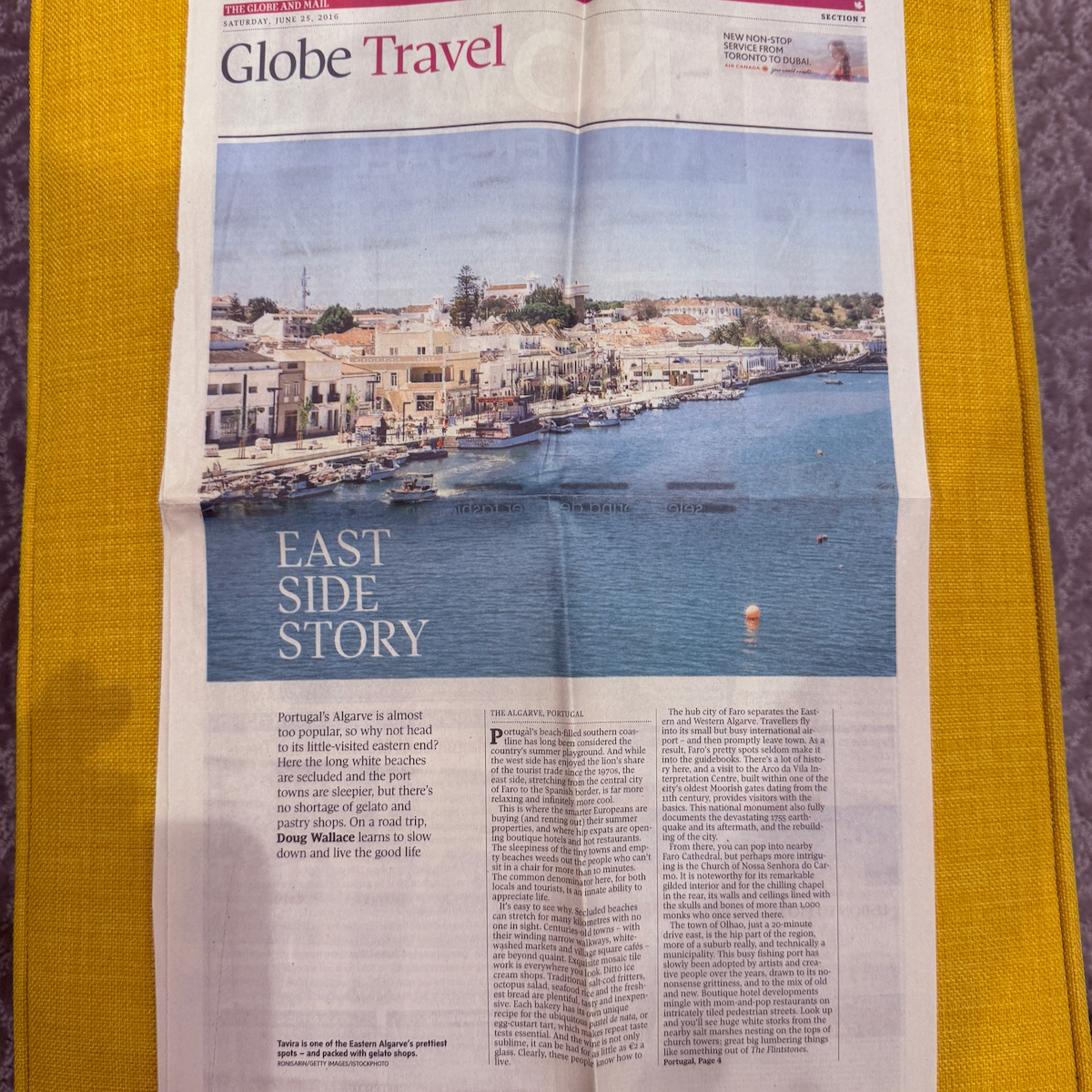
Nick C. and I had both read an article in the Globe and Mail about the eastern Algarve. According to the Globe and Mail, it was an area that was greatly under used by Canadian snowbirds and had a very different feel compared to the western Algarve, where most Canadians had been going.
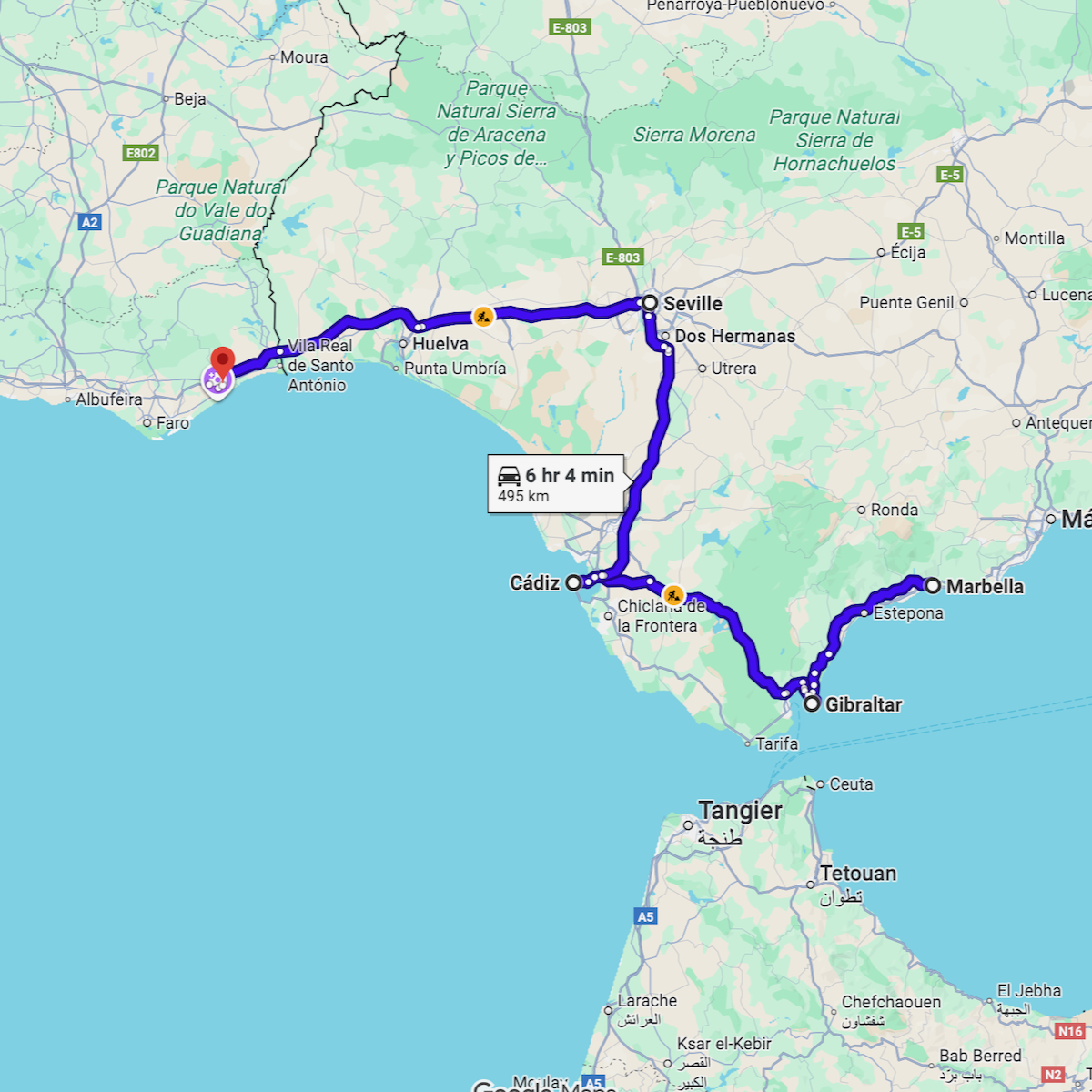
A decision was made, accommodations were booked, a car was rented, and on the appointed day, we left Marbella for points unknown. The first map shows the actual route we took, while the second shows the shortest and fastest routes between Marbella and Tavira Portugal.


And just in case you did not believe me about reading about the Eastern Algarve … I still have the article that I tore out of the paper long before we got to Spain. When you travel as much as we do you hold onto things that are of interest to you. 🙂

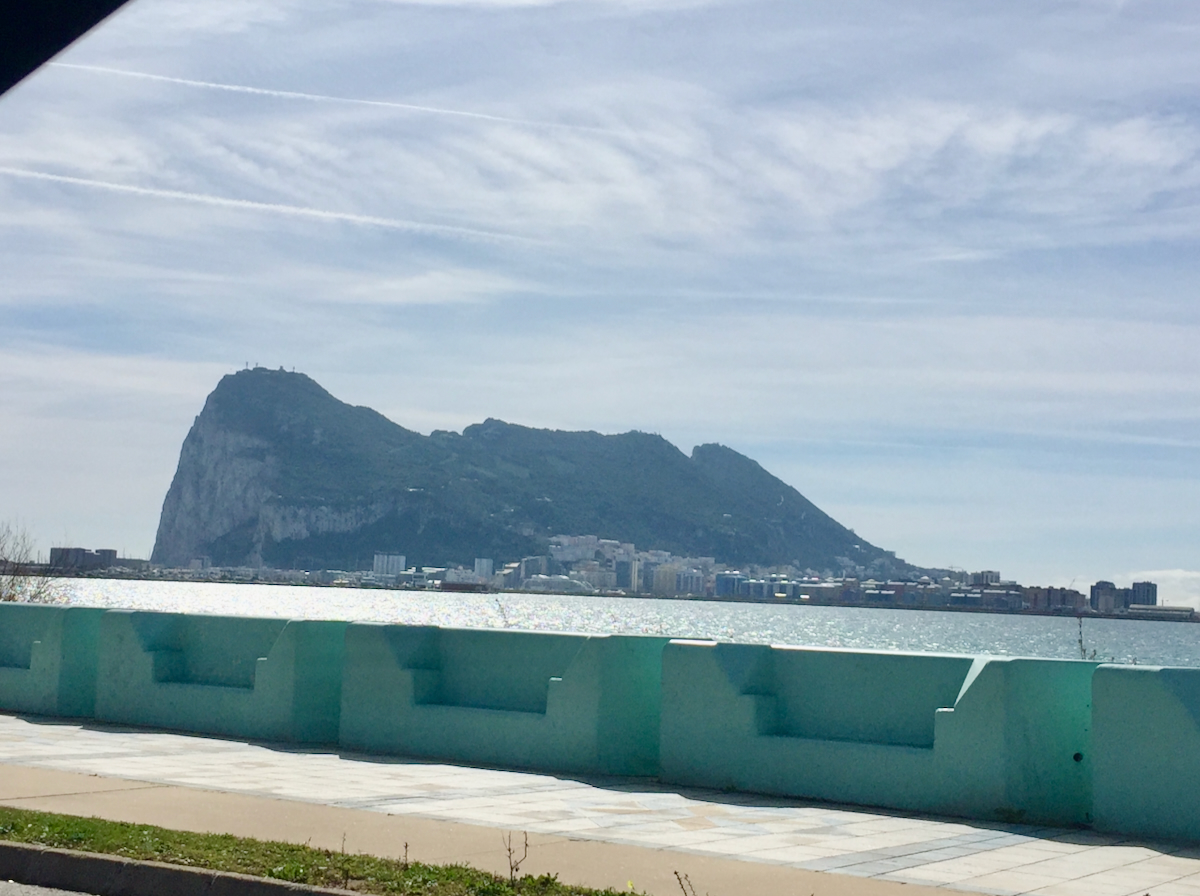
Gibraltar
The first stop on this road trip was Gibraltar. Given that it was just over an hour drive from Marbella, we didn’t bother to overnight there. It was more of a “drive-by shooting” of photos than anything else. We checked out the big rock and moved on.
If you’re interested in reading a bit more about a visit to Gibraltar, you can go back and read my post about a visit in 2023, where we did in fact overnight and spent more time exploring the town. If you are looking to spend two or three days exploring Gibraltar, you could even stay in La Linea on the Spanish side of the border and wander back-and-forth across the border as you choose.
When you visit, you are going into another country (United Kingdom), so you do have to show your passport. Not a biggie, all very easy-peasy because many people work in La Linea the adjoining Spanish town and cross into work there every day. The only exciting thing about crossing the border is that you drive over the airport runway as you leave Spain and enter Gibraltar.
The residents of Gibraltar have chosen not to drive on the right-hand side of the road like in the UK, so you can drive right in from Spain and the driving is very comfortable… Except on some of the incredibly narrow old streets.
Gibraltar-Ascending the Rock
So here you have it, our big tourist outing to the top of the rock. Technically, it was just the Love-goddess and our associates because I do not do heights. 🙂 There are other ways to get to the top as well, such as hiring a taxi tour or booking a guided tour to take you there. You can even walk up or down if you prefer.
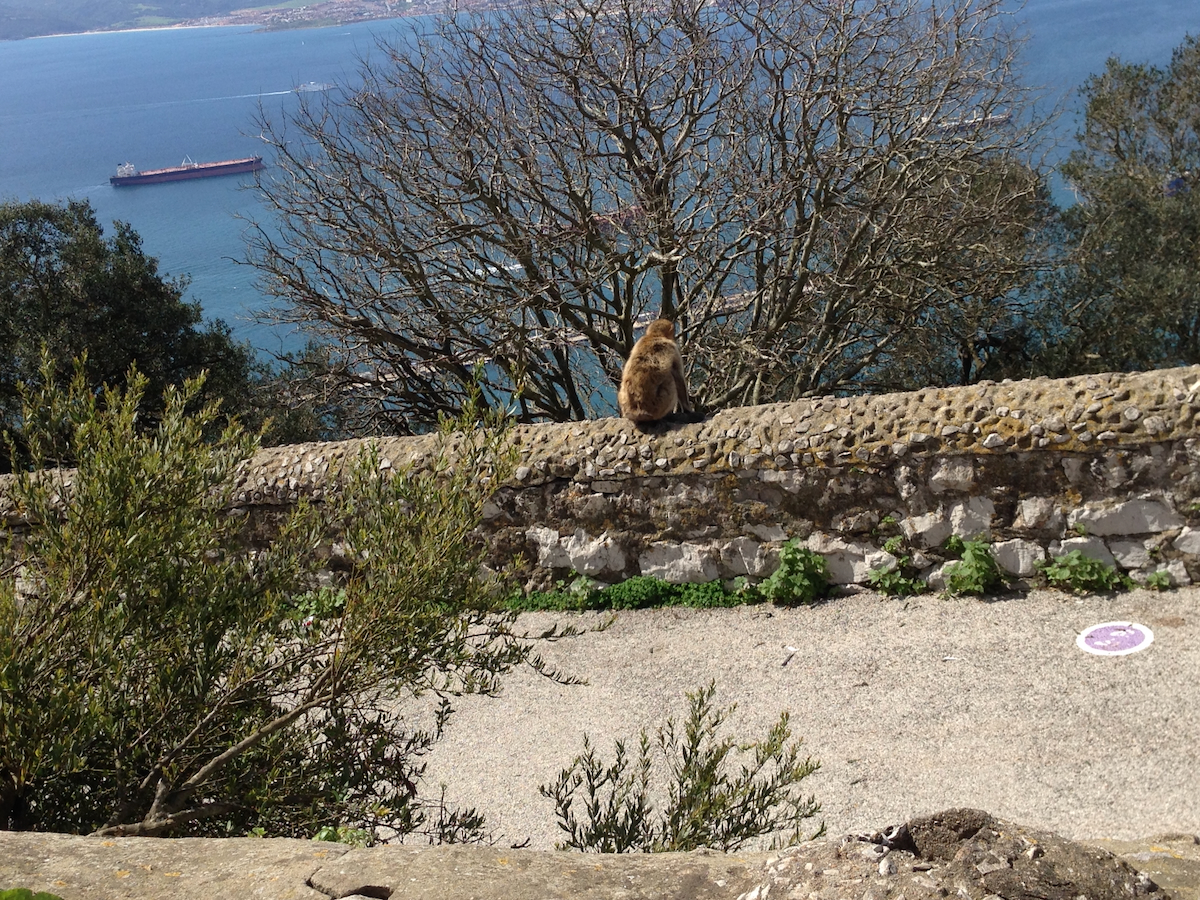
There’s lots to see and do once you get to the top. You can visit the World War II tunnels and the much older Great Siege Tunnels. Or, you can check out Saint Michael’s Cave, the Apes’ Den (actually Barbary macaques), or explore the many nature trails through the Gibraltar Nature Reserve.
Here are a few photos from my pals’ visit to the top.


Cadiz
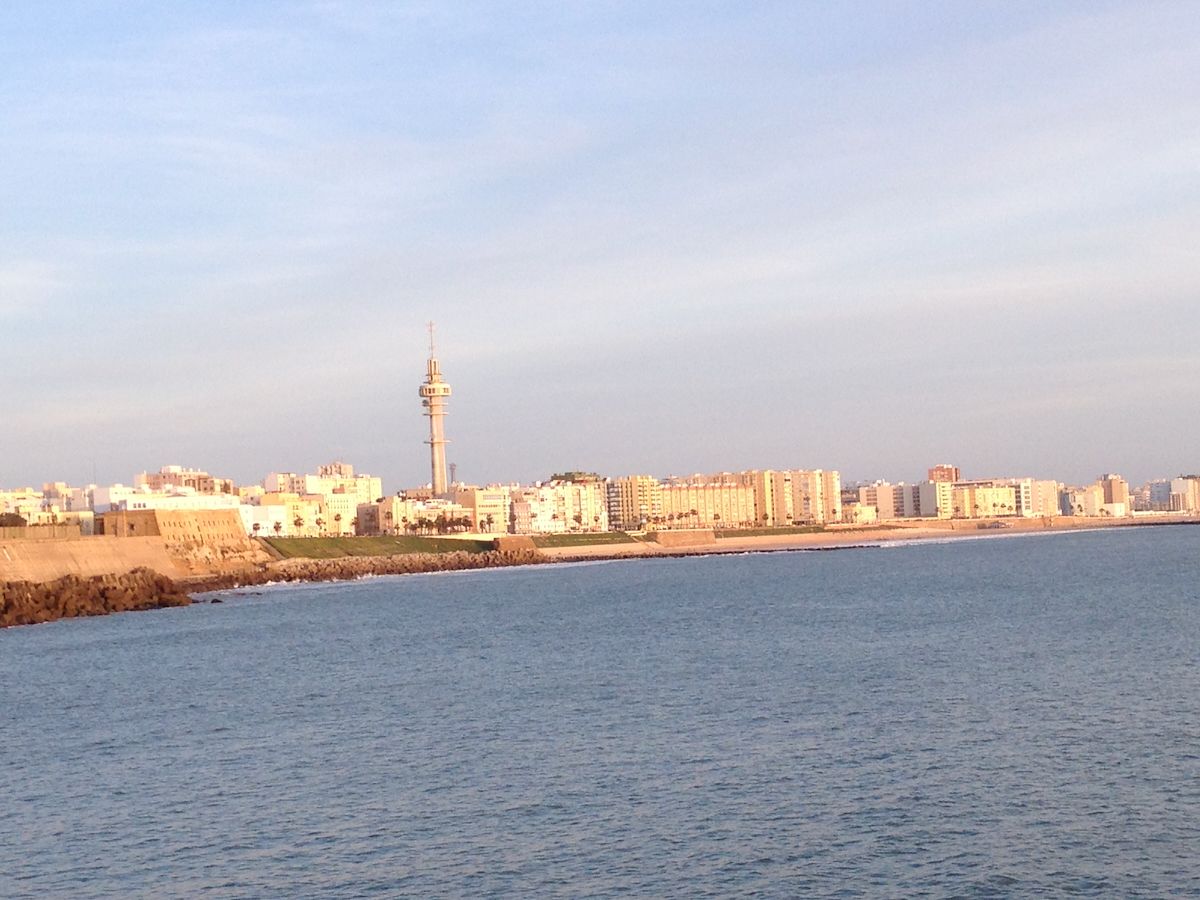
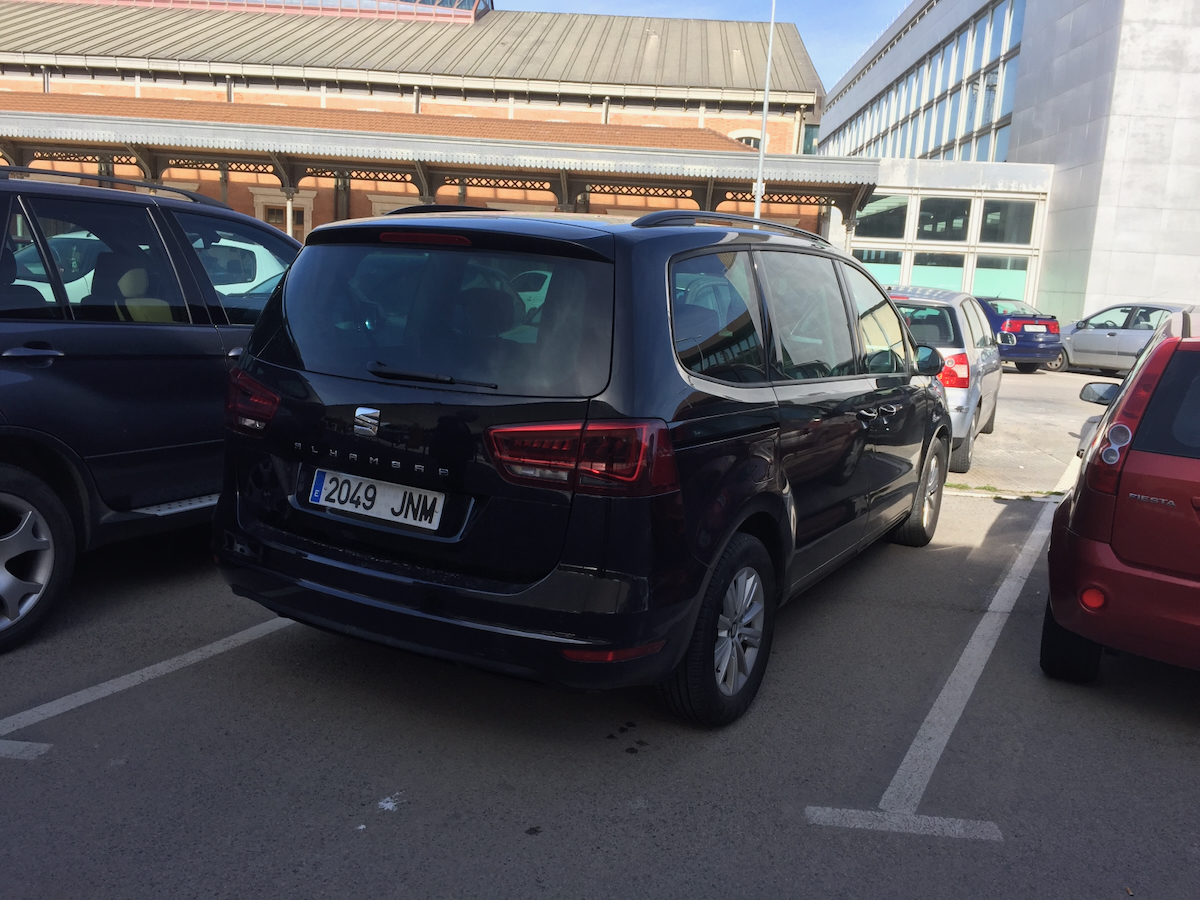
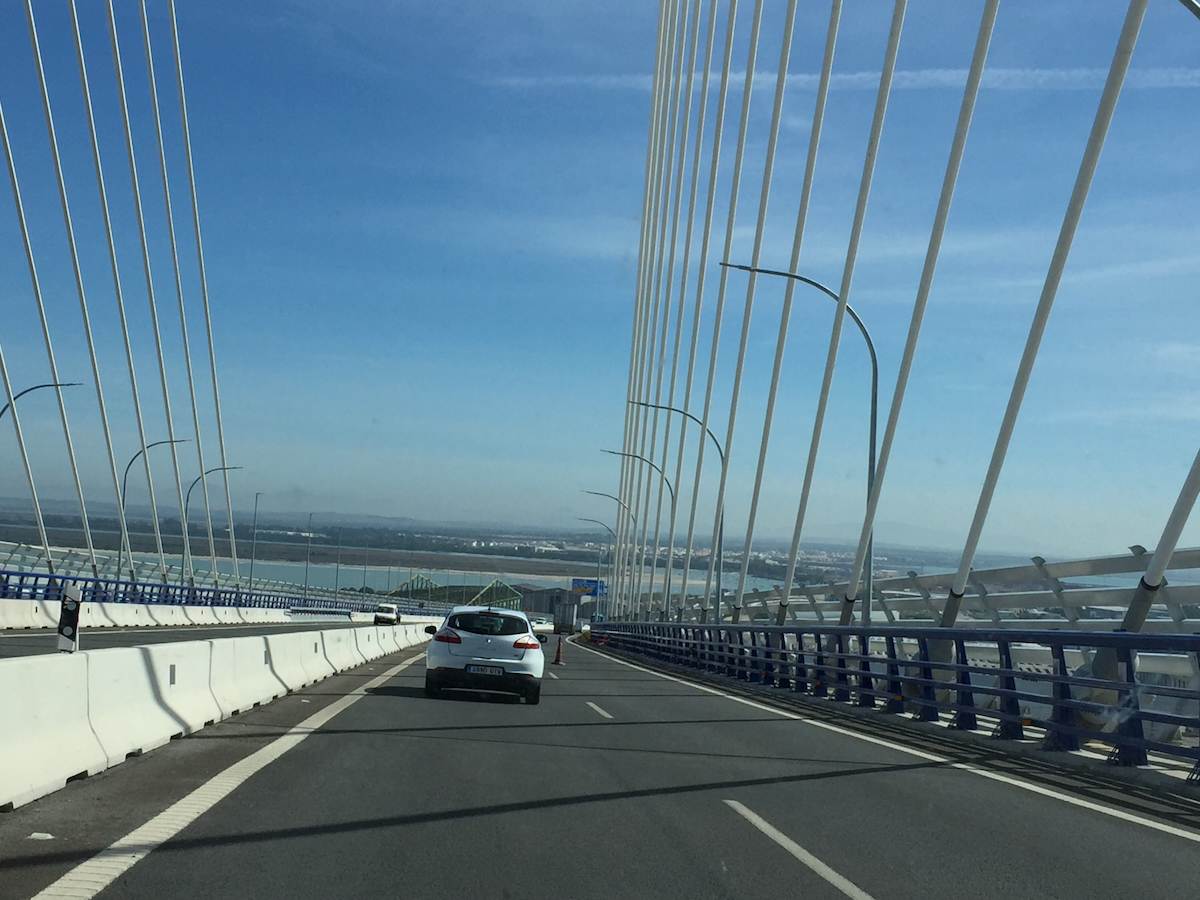
After our quickie tour of Gibraltar, we headed off to Cadiz. This is the town, as you may have read, that a Spanish woman warned us to avoid, suggesting we go to Marbella to spend our winters instead. She said it was a gritty port town. And that is kind of what it turned out to be, but it did have some charm to it as well.
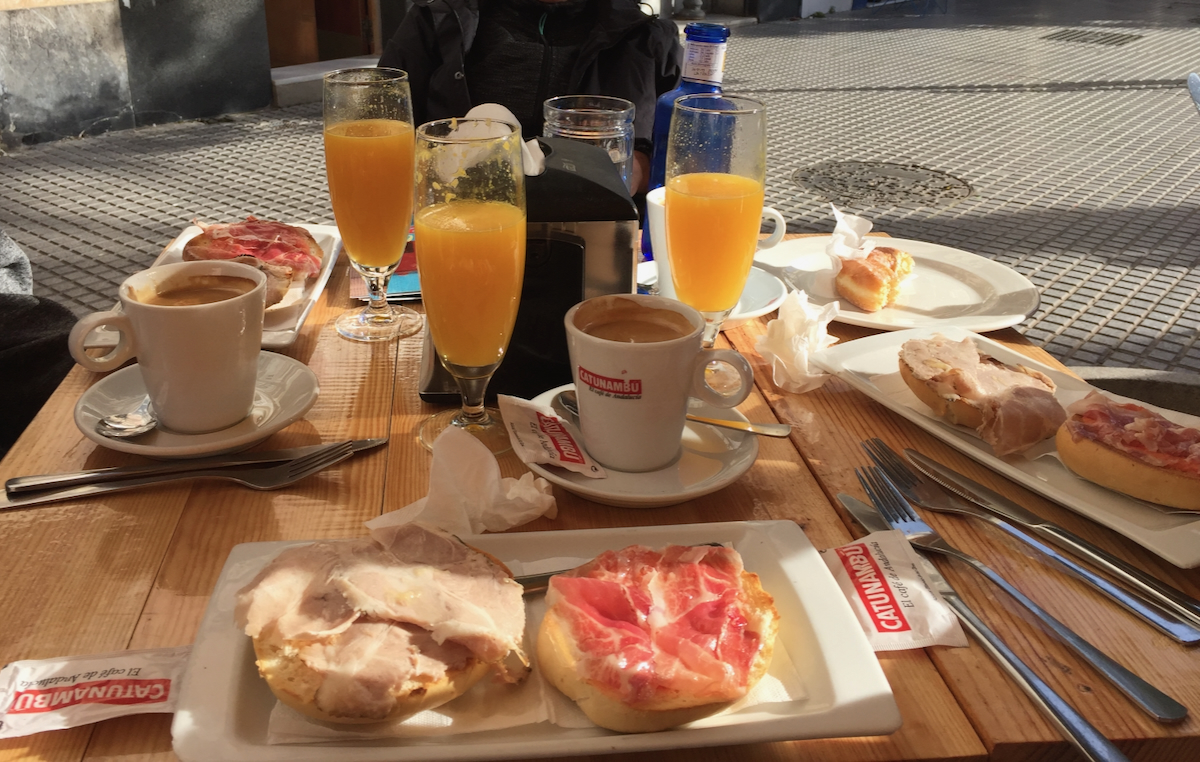
We overnighted in Cadiz, so we had an evening and a full day to explore the town. After checking into our accommodation and having a well-earned end of travel day beverage on the rooftop terrace, we headed down into the old part of town to have a look around, followed by dinner.


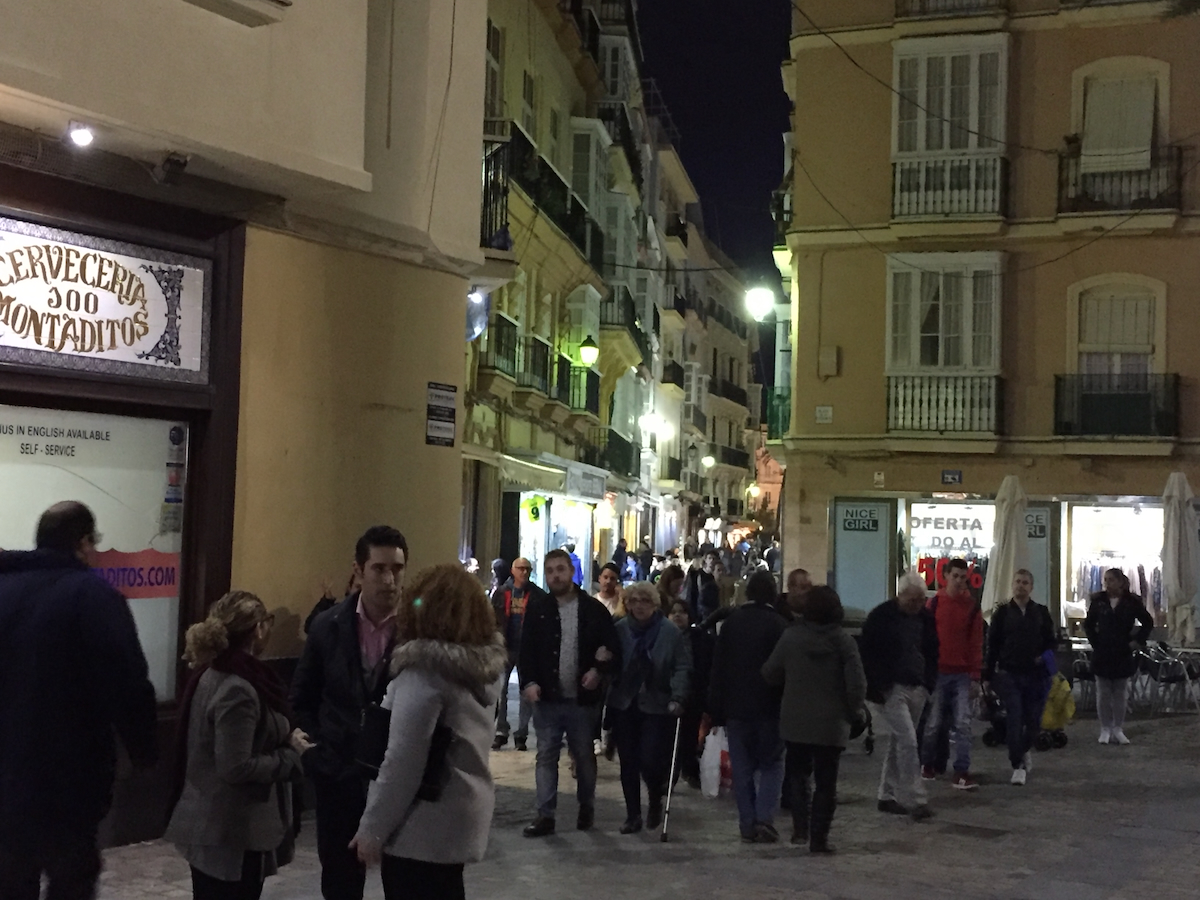
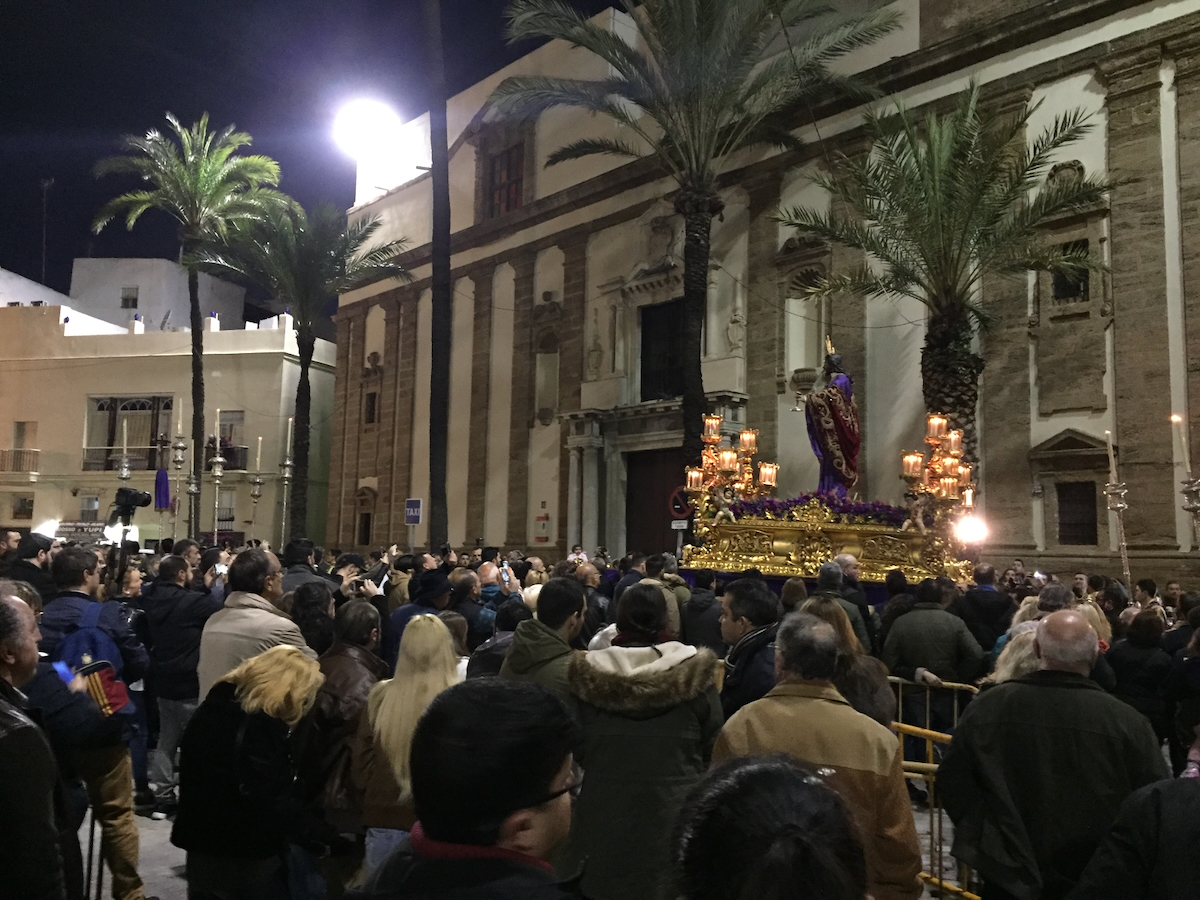
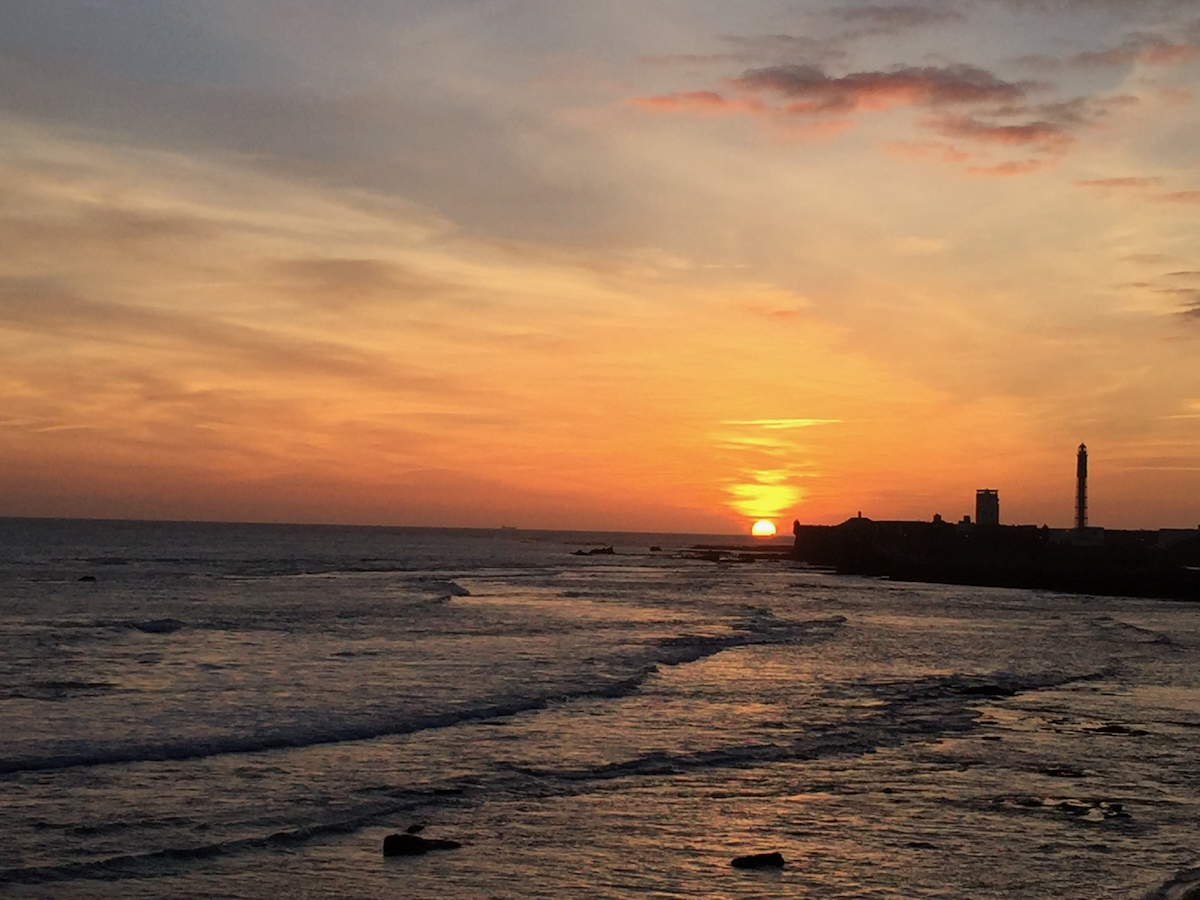
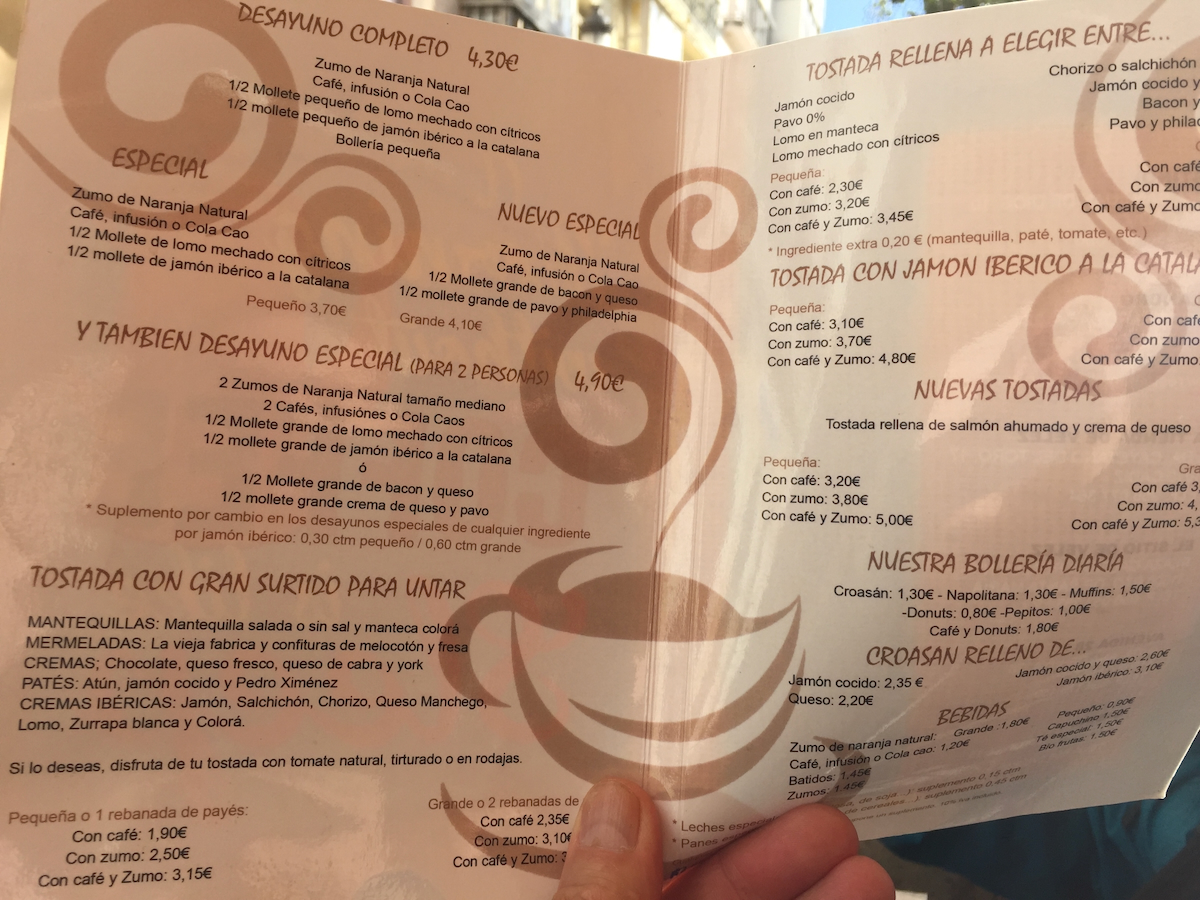
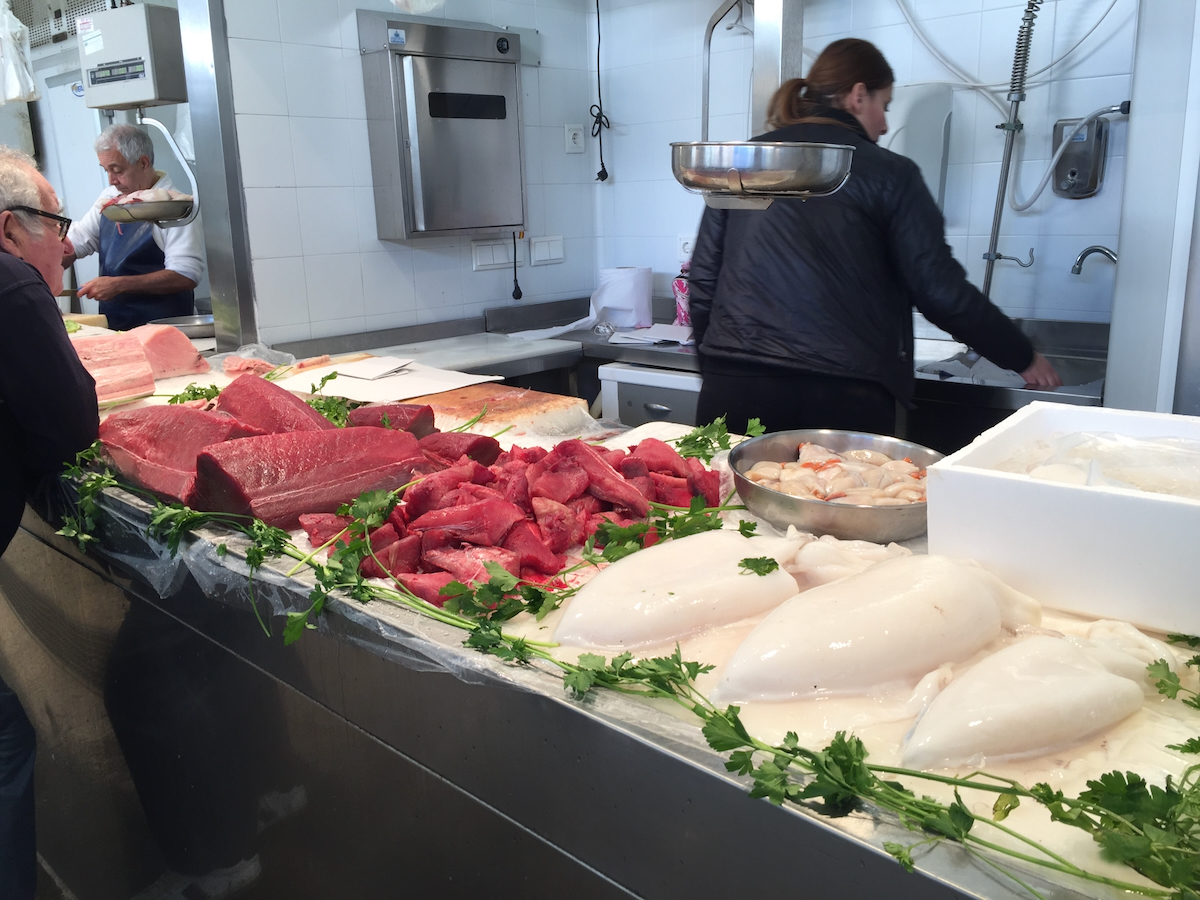
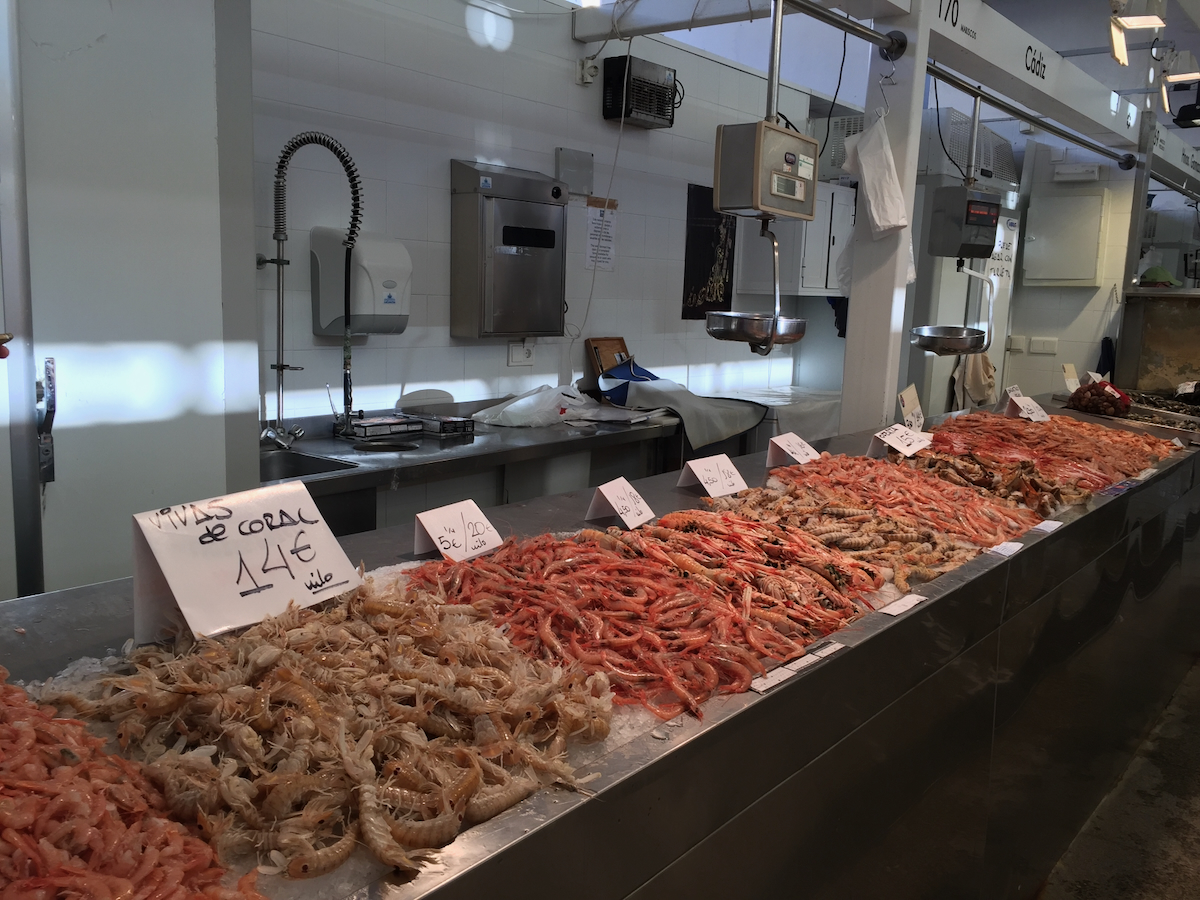
We wandered back down into the heart of town for breakfast, followed by a walk along the walled waterfront and a visit to the local market. After that we loaded up the car and headed out to Seville.



Seville
Seville was only just over an hour and a half drive from Cadiz, so we got there shortly after noon. We had booked rooms at the centrally located Hotel Maestranza, where we had stayed before.

After checking into our hotel, we headed out in search of a spot to have a bit of lunch and the requisite revitalizing beverage at the end of a long and arduous drive. OK, it wasn’t long and arduous, but nobody wanted to break with tradition.
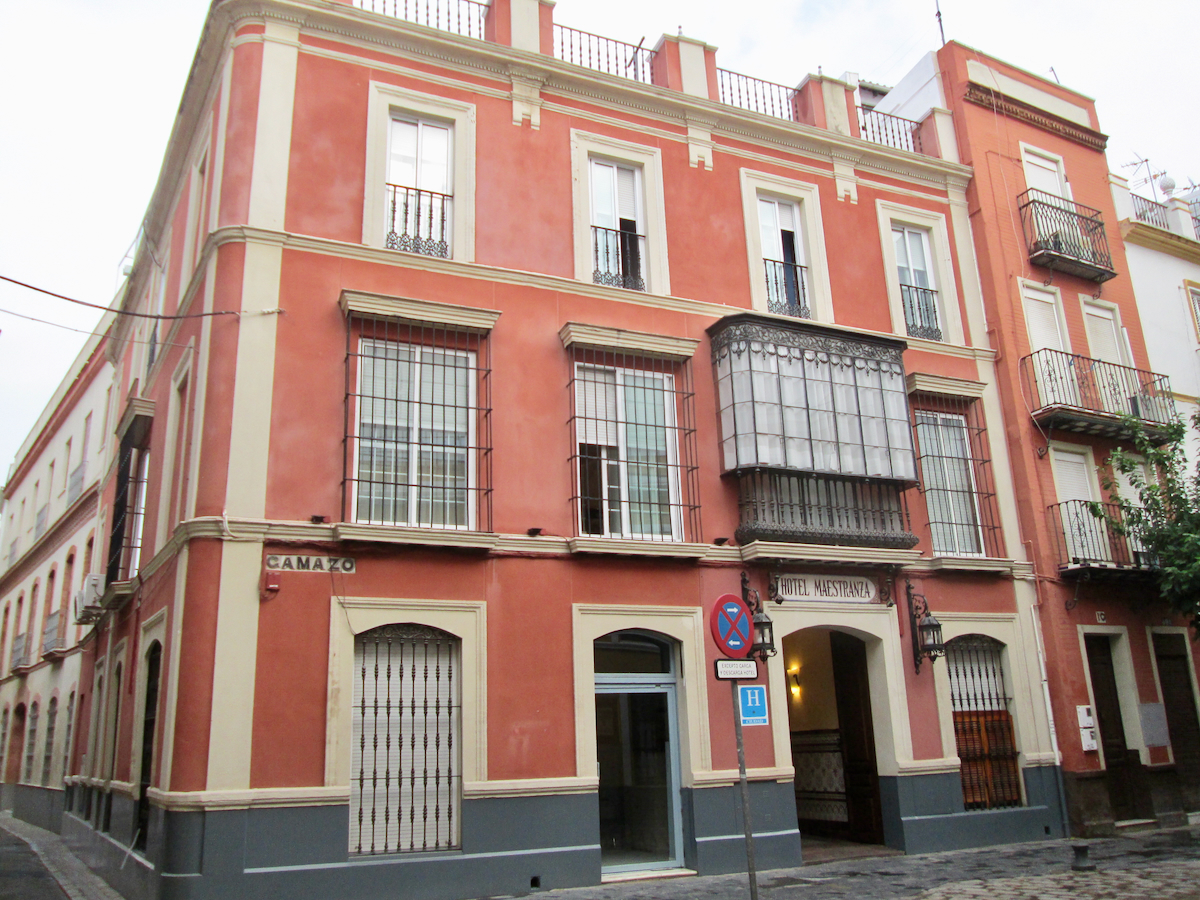
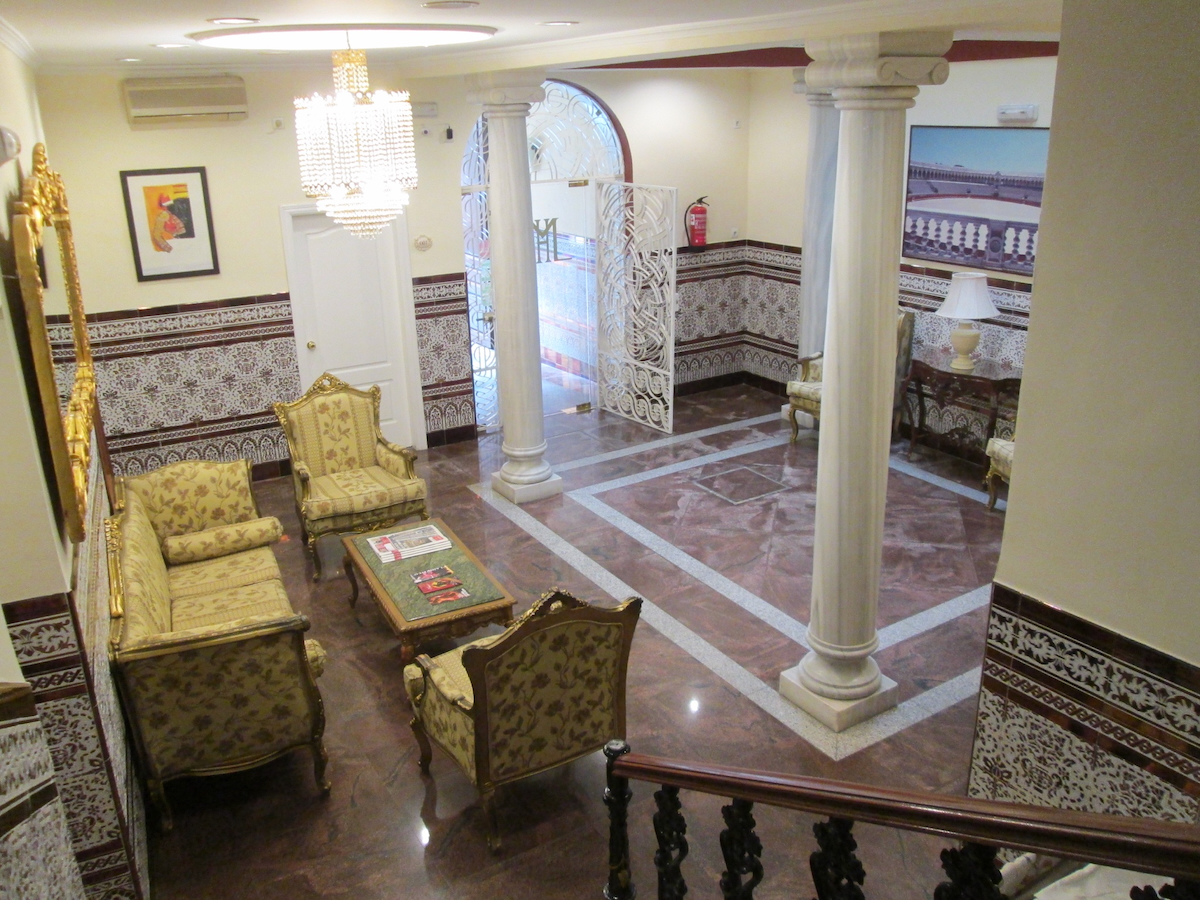


There are lots of interesting sites and things to do in Seville. Amongst them are – catch a flamenco performance at the Flamenco Dance Museum, stroll through the second largest Catholic cathedral in Europe (Catedral de Sevilla), visit the Moorish Alcazar, check out the “interesting” museum at the local bull fighting ring, or just people watch on a patio, sipping Sangria and eating tapas. After wandering around town a bit, we headed out to a favourite bodega for dinner, Bodeguita Antonio Romero.
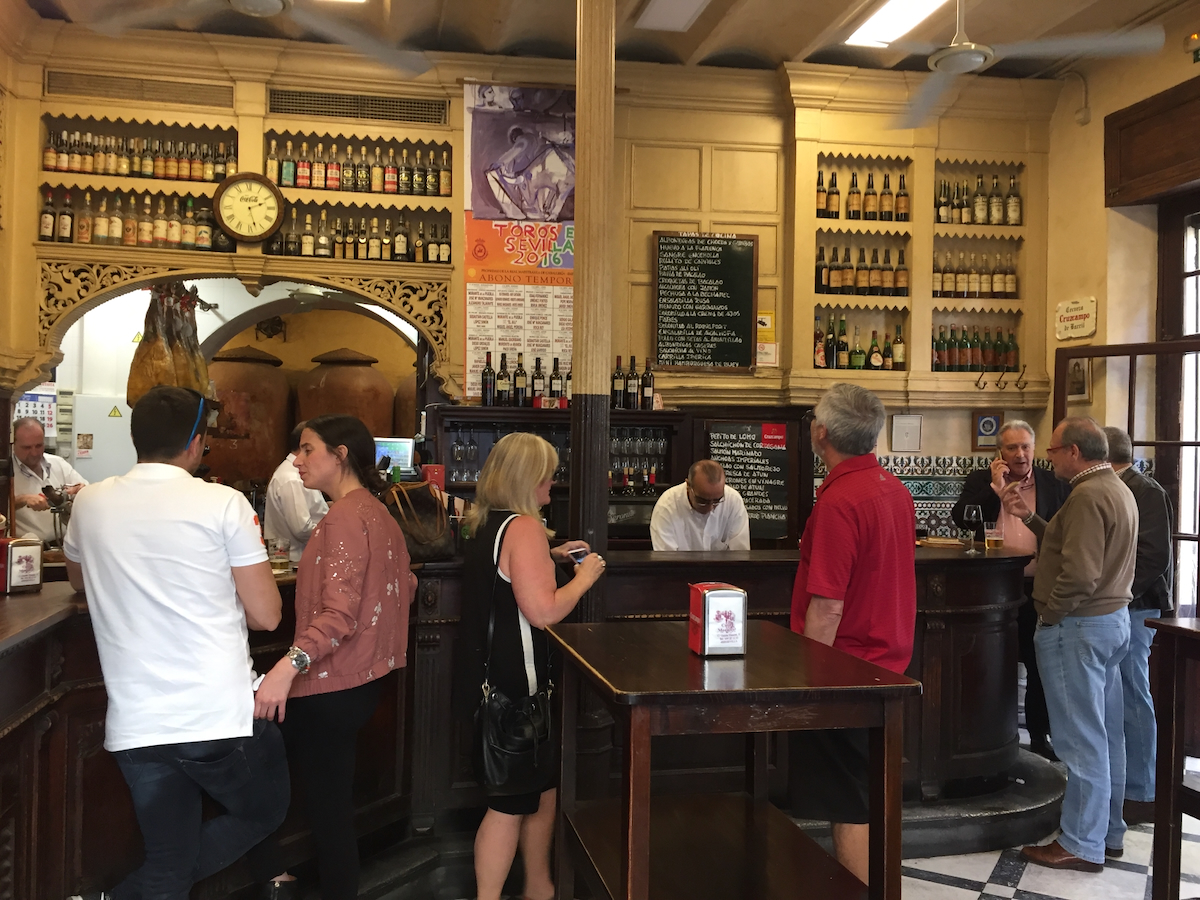


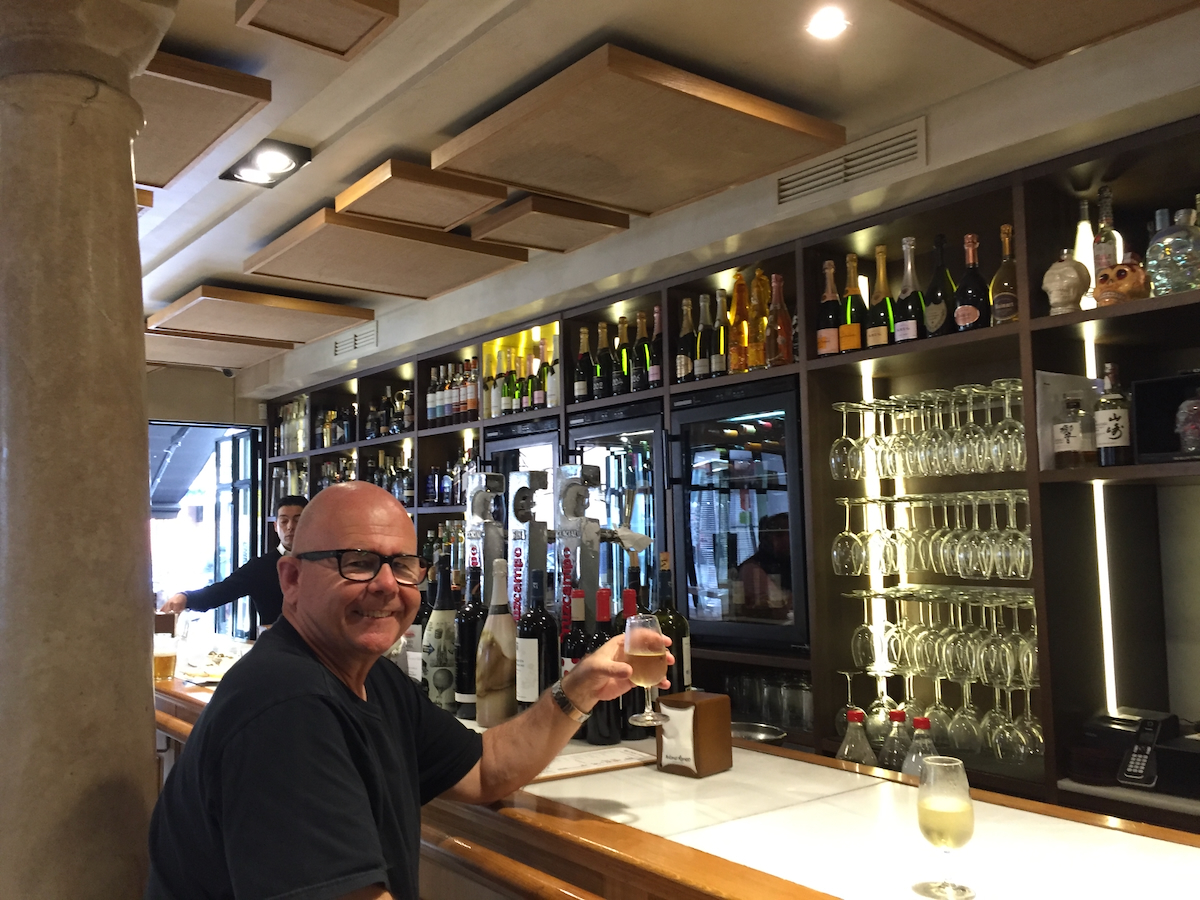
And to wrap up our visit to Seville, I include this cute little video I shot of a local “guitar-hero”. People are singin’ the blues everywhere.
Eastern Algarve
After a lovely visit to one of Spain’s greatest cities, we headed on towards our destination, Tavira. It should properly be noted that the Eastern Algarve runs from the border with Spain to the city of Faro, which essentially is the mid-point of the whole Algarve region.
As you can see, more easy driving on a well-maintained 4-Lane Highway all the way.

Tavira
Once again, our first activity upon arrival was to check in to our hotel, in this instance, the Ozadi Tavira Hotel. It was a beautiful modern, spacious hotel on the outskirts of town. If we were to go back here, we would probably be looking for a small local hotel right in town because we don’t really enjoy having to hop in a car to get to where we want to hang out and eat.
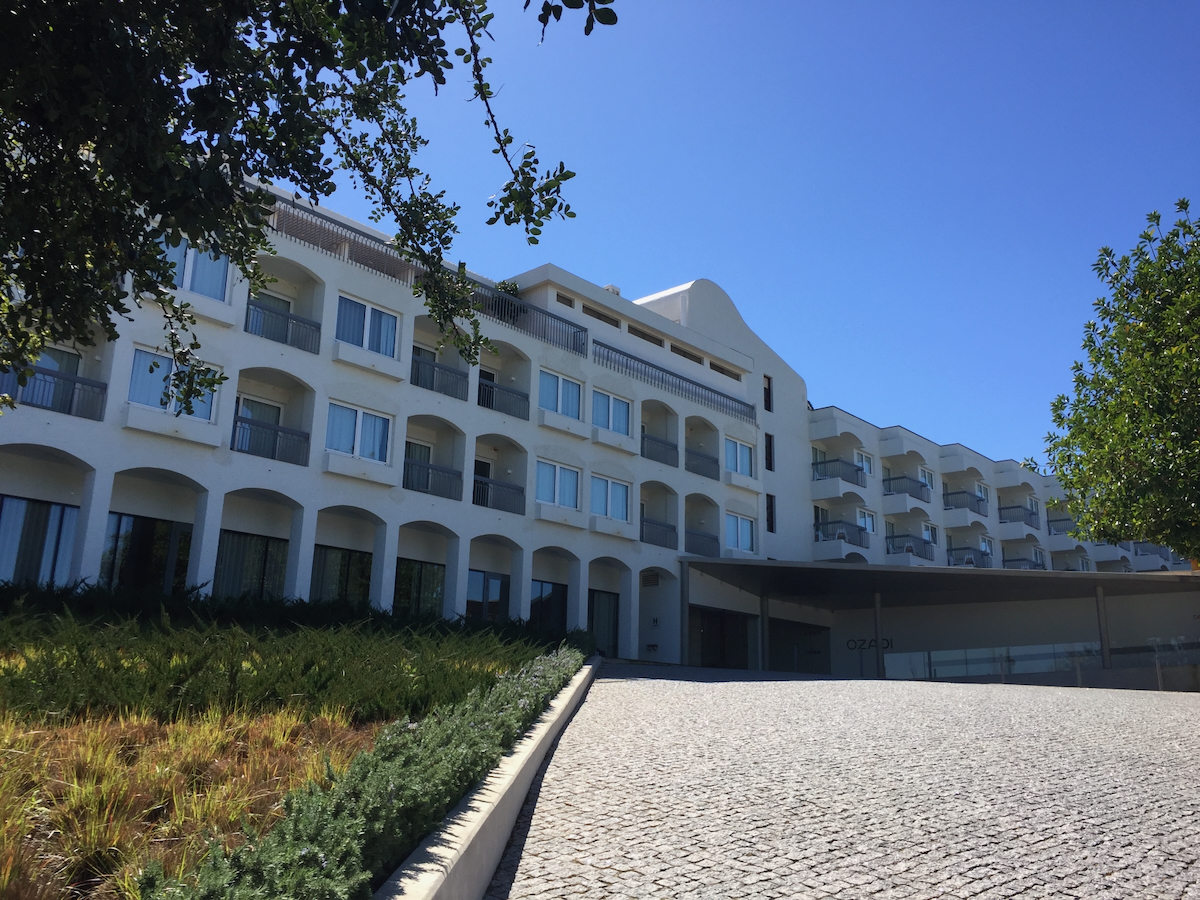


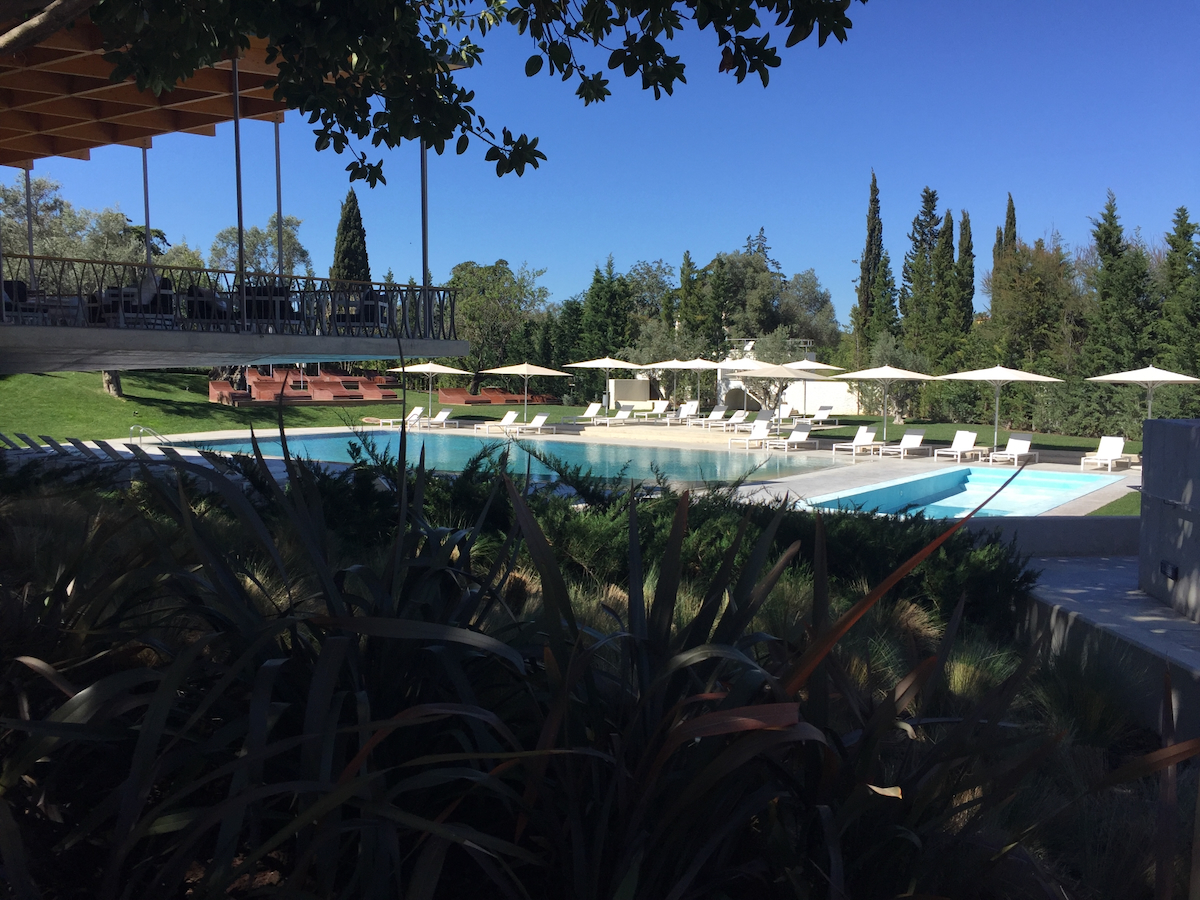
You might have noticed in the photo looking out from our room’s terrace that the topography here appears much flatter than in the western Algarve. I don’t have any other photos to demonstrate that, but that was how the whole area presented itself to me.
I also do not have a lot of photos of the town itself. It was a pretty typical charming Portuguese town and worthy of a visit. That said, to give you a better idea of what the town is all about here are three images that I found in Google Maps that can give you a sense of its layout.


The only non-beach activity that I have any record of us participating in is the following one, dining at Aquasul, which was recommended to us by the hotel. That said, it was an Italian restaurant, not Portuguese. If I were to go back to Tavira, I would probably be looking for a Portuguese dining experience.


Tavira-Beaches
One of the biggest attractions here, and all along the rest of the eastern Algarve, are the beaches. They are long, wide and flat and stretch on for what appears to be forever. They are not all broken up and in little coves like in the western Algarve.
In fact, the eastern Algarve is one of the best examples of a barrier island–lagoon system in Europe. Instead of dramatic cliffs (like in the western Algarve), this coast offers long, flat sandy spits and barrier islands running parallel to the mainland.
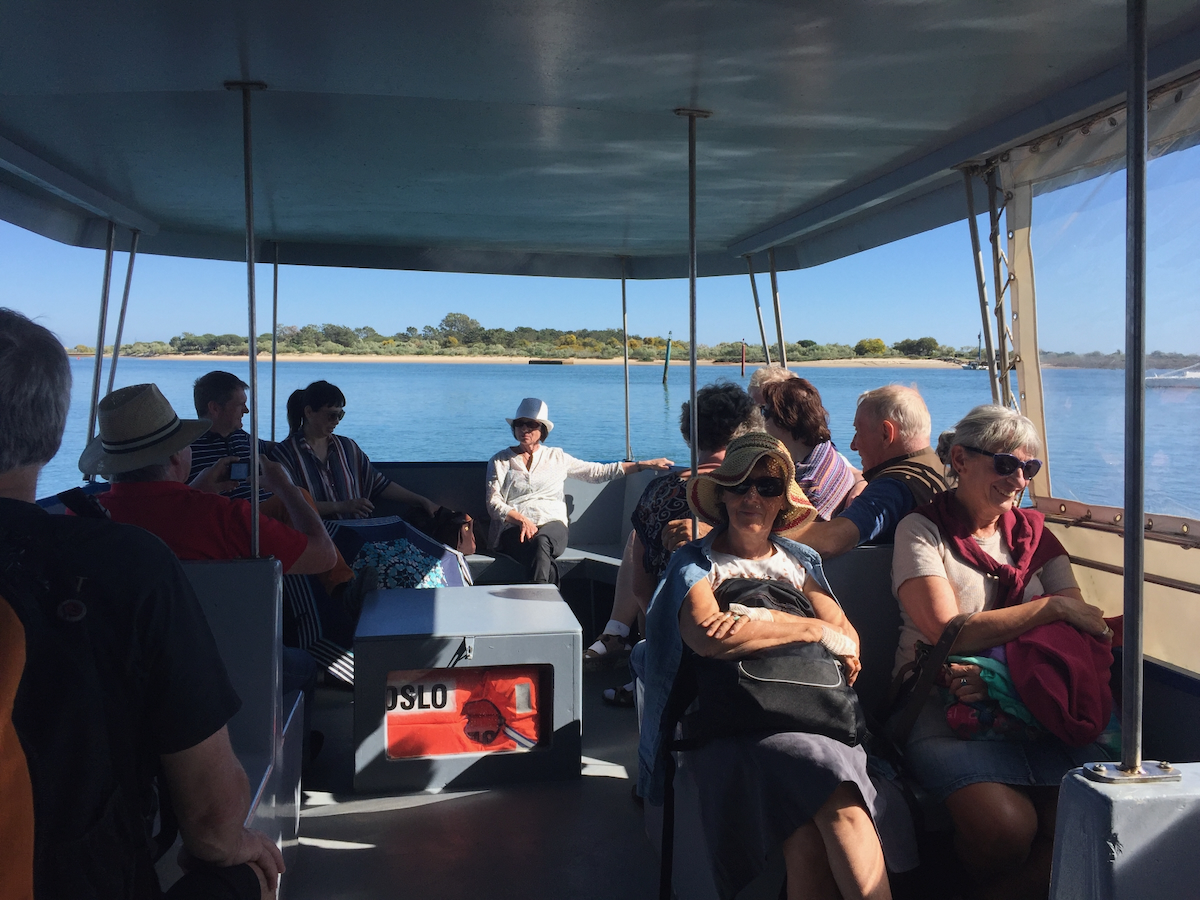
The most interesting thing about the beach in Tavira and most other places in this area is that you must take a boat to get out to them, as you will see.


Olhão
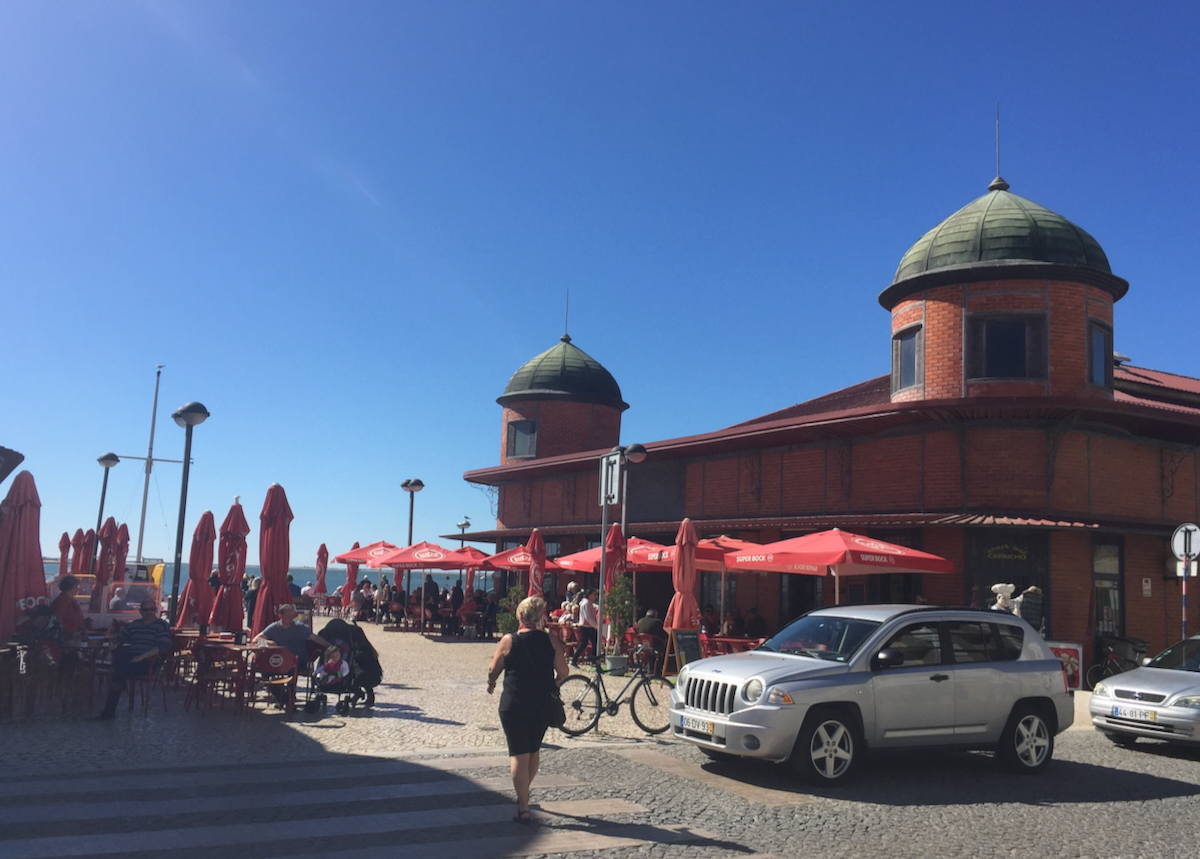
We also went for a day trip down to Olhão, which being further west, is closer to Faro. It is a lovely little fishing town. And if we were to go back and winter in the Algarve, there’s a good chance we would be looking for a place there.
Have a look!




Back to Marbella!
After a very worthwhile visit to the eastern Algarve and some interesting points in-between we headed back home to Marbella and had a few more days of R&R before our friends’ visit came to an end.



And, not long after we got back from our road trip – yet another church parade broke-out … on our street in Marbella. 🙂
Did We Make the Right Choice Choosing the Costa del Sol Over the Algarve?
Here at the very end of it all, it is time to look back and reflect on that decision we made years ago to spend our winters on the Costa del Sol. Should we have chosen the Algarve instead?
The choice remains very clear. For us, the Costa del Sol is a much better choice. And I will tell you why.
We choose flat over rugged – We really do enjoy our walks along the waterfront every day. Most of the towns we have stayed in on the Costa del Sol have these lovely wide, stone-paved walkways that hug the beaches. And, we walk when completing all our necessary tasks like grocery shopping; although the Costa del Sol isn’t entirely flat nor are the city streets, it appears that walking around town is much easier on the Costa than on the Algarve
We prefer the mountain backdrop over the rugged coastline – it’s not that we don’t like “rugged”. It’s just that we prefer it where we can see it and not have to trundle over it every day. The low rugged mountains that rise behind the Costa del Sol form a beautiful backdrop to our activities. If we want rugged waterfront, we’ll simply head to the Eastern end of the Costa and stay in Nerja.
We prefer the blue Mediterranean over the green Atlantic Ocean – Part of the appeal of the Mediterranean over the Atlantic may be simply psychological, but one reason important to us is that the Mediterranean is a much gentler body of water, because it is contained, I suppose. There is many a day when I’m sitting there looking out at it and it feels like I’m sitting beside a Canadian lake. The Atlantic on the other hand is a vast turbulent body of water, and it never feels like we’re beside a lake.
Spanish is a moderately easy language to learn – we have become moderately functional in Spanish… We can get what we need and go where we want, and our expertise continues to develop. So, it feels like there is some truth to the fact that Spanish is easier to learn than Portuguese. And I have some proficiency in picking up new languages.
We prefer Spanish restaurants over Portuguese ones – I had to think about this one for a while because I needed to sort out why that is. I suppose it’s because I can figure out menu items in Spanish. And most often menus are in both Spanish in English. The second might be there SEEMS to be more cultural restaurant choices on the Costa, but I’m not certain that is absolutely true. First and foremost is how menus items are offered up in most traditional Spanish restaurants. On Spanish menus, most dishes are traditionally divided into three sizes, Tapa (small plate), ½ portion (media ración) and full portion (ración). So, more choice.
Golf – The Costa is widely known as “Costa del Golf” in Europe. Over 70 golf courses are located there. The most famous of these is Valderrama. In the Algarve, there are about 40 golf courses. However, in the spirit of full disclosure I have never actually golfed on the Costa del Sol, but vast opportunities await! I’m pretty sure I will get to golf there this winter.
The public transit access –Two excellent bus companies service the Costa del Sol, and you can generally get from anywhere to anywhere else by bus at most times of the day. A short rail line between Malaga and Fuengirola is very convenient. And perhaps most importantly, you can quickly get to Malaga, and from there you can get to any other major town or city in Spain by high-speed rail.
Places to visit – This might be the most important reason. We love to go on road trips when we are wintering in Spain. Within easy reach of the Costa del Sol are some of Spain’s greatest cities, Granada, Seville, Cordova, Jerez and even Madrid and Toledo. In the Algarve, I suppose you could get back up to Lisbon, and you can actually get to Seville by bus, but that’s about it. The cropped image below, from a previous post in which I discussed this issue, shows driving times to other cities.

All of this said, I think it is important to point out that you could easily have decided at this point that the Algarve is the place for you. And that is just great. All I am saying here is that there are two excellent choices in which to winter on the Iberian Peninsula in Europe if you are thinking about moving away from one of the commonly used American destinations. Hopefully, this post will have helped you decide which is the best fit for you
This concludes our five-part series comparing the two excellent winter getaway destinations in Europe for Canadians, the Algarve in Portugal and the Costa del Sol in Spain. Thank you to Brenda and Jimmy, and Marielle and Andy, and Laurie and Nick for their contributions to this big undertaking.


